Ford Transit vs. Mercedes-Benz Sprinter: Which Full-Size Van Is Right for You?
Table of Contents
- Sprinter and Transit comparison: Two vans, two personalities on the Florida roads
- Ford Transit: The versatile workhorse
- Mercedes-Benz Sprinter: The premium adventure van
- Ford Transit Van vs. Mercedes Sprinter: Core specifications compared
- Sprinter vs. Transit: Which van is better for a camper conversion?
- Which van gets better fuel economy: Sprinter or Transit?
- Is the Ford Transit cheaper to maintain than the Sprinter?
- Do I need a special license to drive a Transit or Sprinter?
- Which should you buy in Jacksonville?
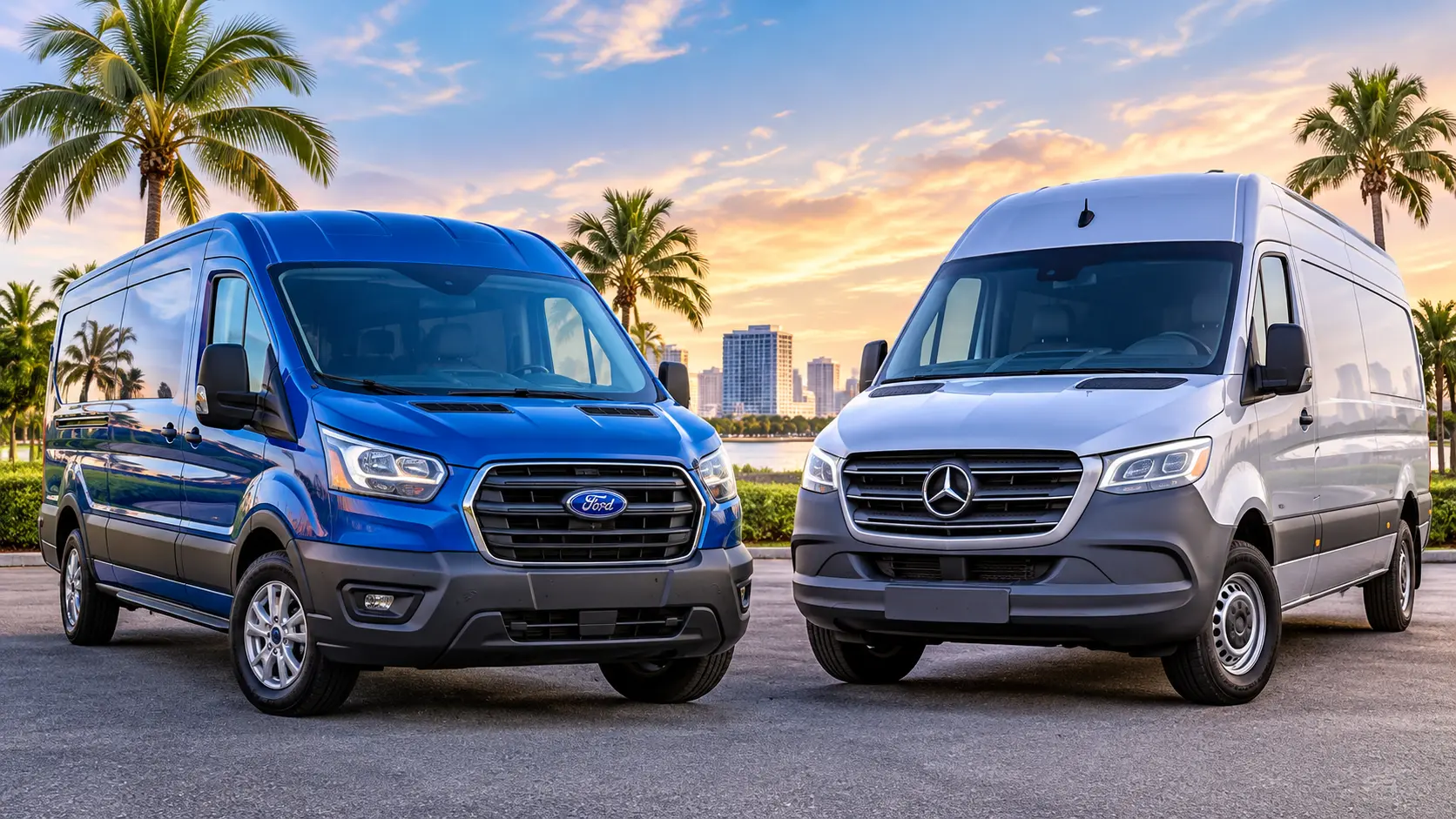
Here, Autoland dealership experts discuss the benefits of Sprinter and Transit. The legendary, hard-working vans. Ford Transit and Mercedes-Benz Sprinter are both great options, whether you need extra cargo room, a reliable workhorse, or a spacious passenger vehicle. Each has its own strong points, from affordability and everyday practicality to comfort and versatility.
- The Ford Transit is often the practical value leader, with a wide range of configurations, strong cargo capacity, and Ford ownership costs are below average on the market.
- The Mercedes-Benz Sprinter leans toward premium refinement, diesel power, and a reputation for long-distance comfort. As with any Benz, the maintenance costs are a bit above average.
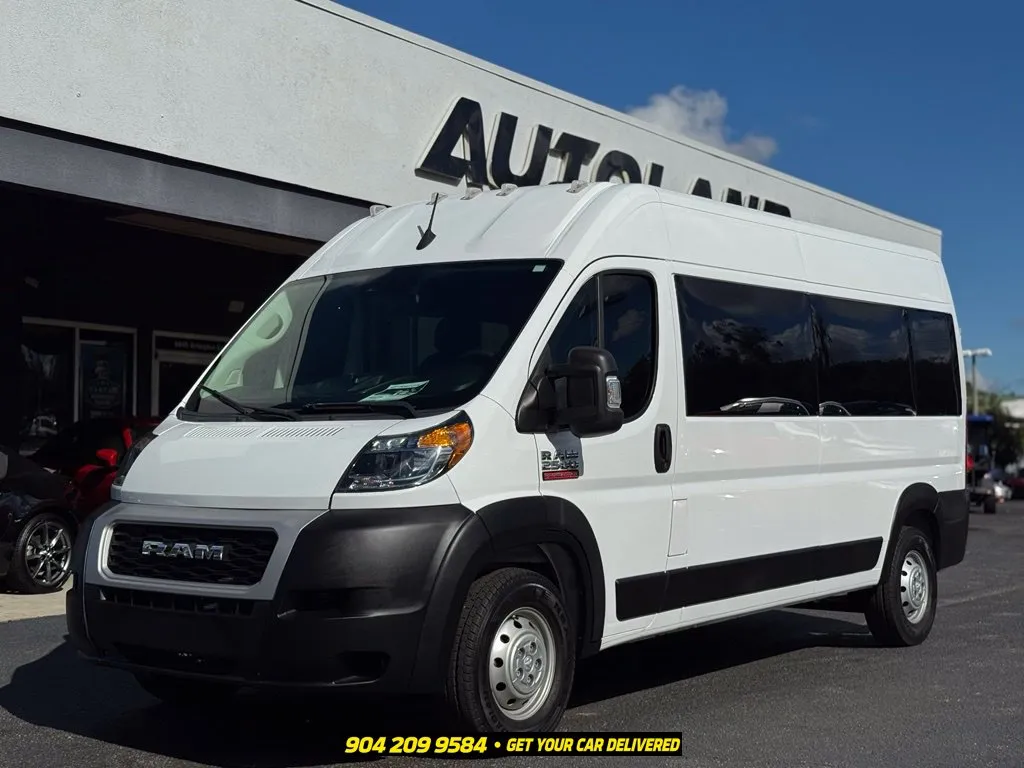
At Autoland Jacksonville, we have Sprinter and Transit in one lot, so you can compare these work vans side by side and choose what suits you best.
Used Ford Transit and Mercedes-Bens Sprinter for sale
Browse our used truck Jacksonville inventory right now or start with our overview to make an informed decision.
Sprinter and Transit comparison: Two vans, two personalities on the Florida roads
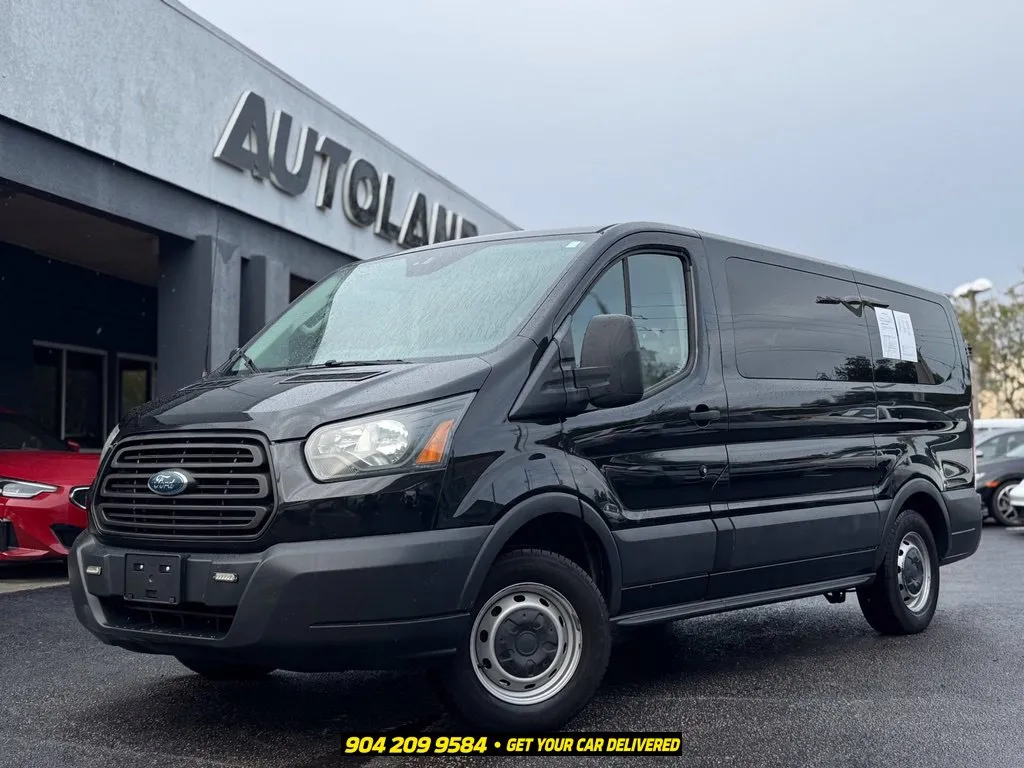
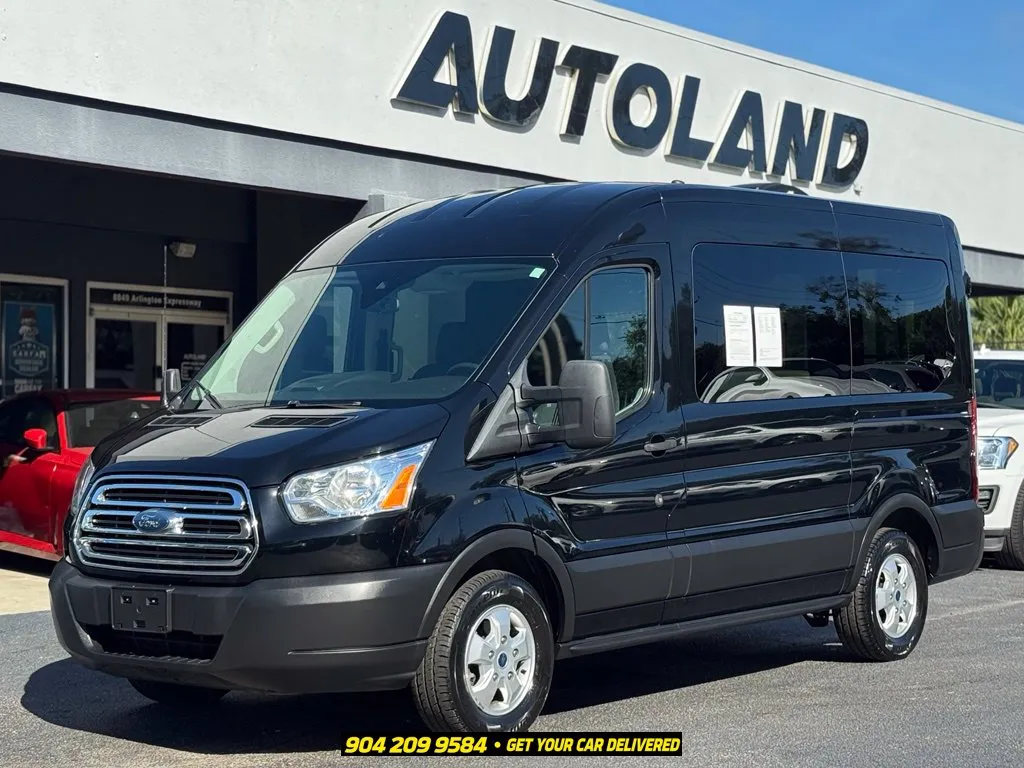
The Ford Transit has long been one of the most trusted commercial vans in the United States. It is available in cargo, passenger, crew, and chassis-cab styles, making it easy to match the van to a job site, a growing family, or a custom camper project.
Ford manufacturers offer the Transit in multiple roof heights, wheelbases, and weight ratings, so you can prioritize maneuverability, passenger space, or maximum hauling ability.
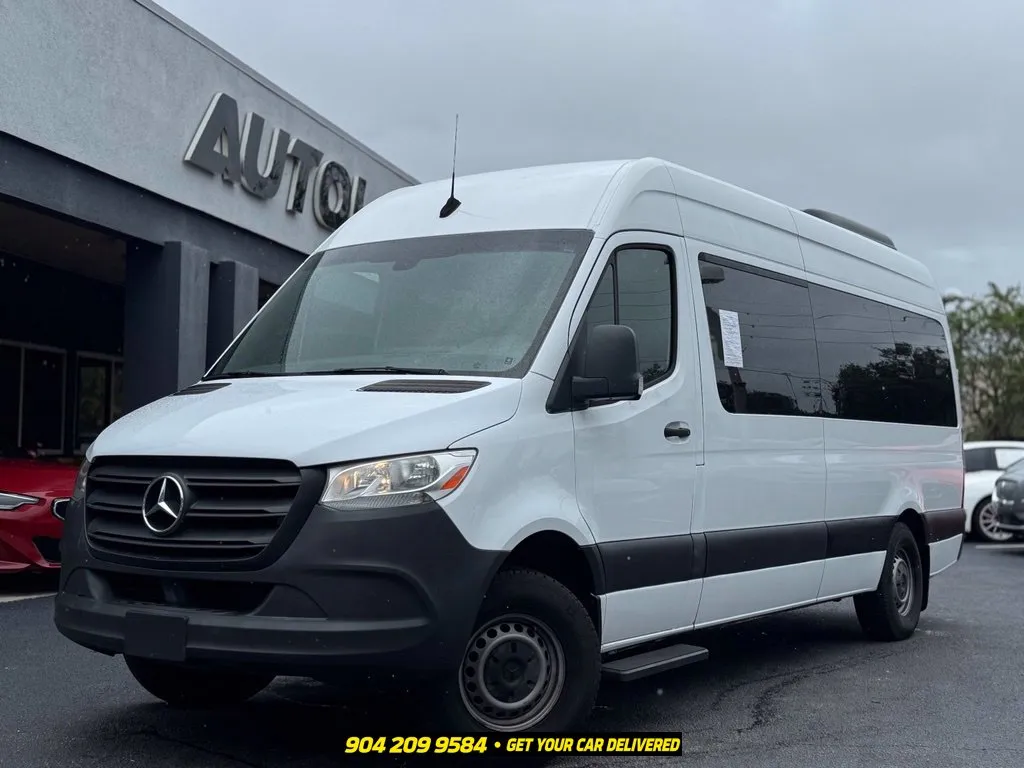
The Mercedes-Benz Sprinter takes a more upscale approach. It is especially popular among buyers who want a refined driving experience, available diesel power, and a van that feels equally at home on a long highway trip or a weekend adventure.
Sprinter vans are also a favorite base vehicle for camper conversions because of their tall interiors, available all-wheel drive, and strong aftermarket support.
Ford Transit: The versatile workhorse
The Transit is built to be flexible. You can choose from the Transit-150, Transit-250, and Transit-350, each with different gross vehicle weight ratings and payload capabilities.
For businesses that need to move tools, inventory, or equipment, the Transit offers a spacious cargo bay and a high roof option that makes loading tall items much easier.
Ford equips the Transit with a 3.5-liter V6 engine producing 275 hp and 260 lb-ft of torque, or an available turbocharged 3.5-liter EcoBoost V6 producing 310 horsepower and 400 lb-ft of torque. A 10-speed automatic is standard across the lineup.
Depending on configuration, the Transit van can tow up to 6,900 pounds and carry a maximum payload of up to 5,103 pounds in properly equipped versions.
Ford Transit 150 vs. 250 vs. 350
Cargo space is another major Transit vehicle strength. The 2026 Transit cargo van offers up to 487.3 cubic feet behind the first row, while maximum cargo volume can reach 536.4 cubic feet with the front passenger seat removed in the extended high-roof configuration.
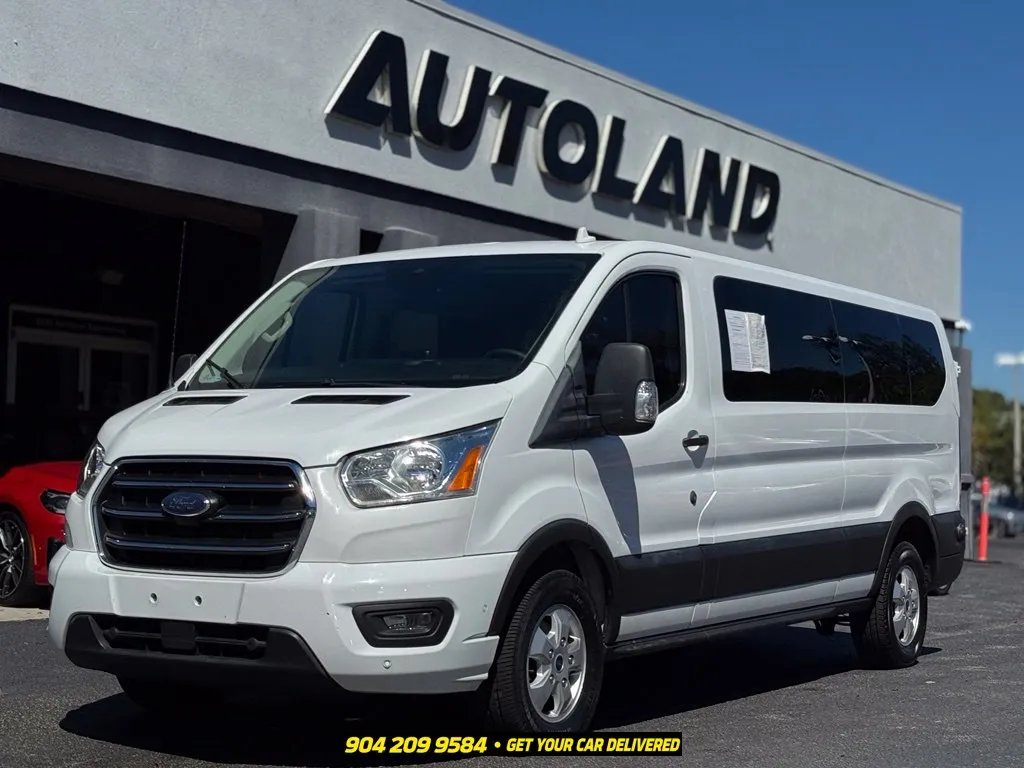
If you need to move people rather than pallets, the Transit-350 is available as a passenger van with seating for up to 15. That makes it a strong option for church groups, airport shuttles, large families, and small businesses that need dependable group transportation anywhere across Florida.
Mercedes-Benz Sprinter: The premium adventure van
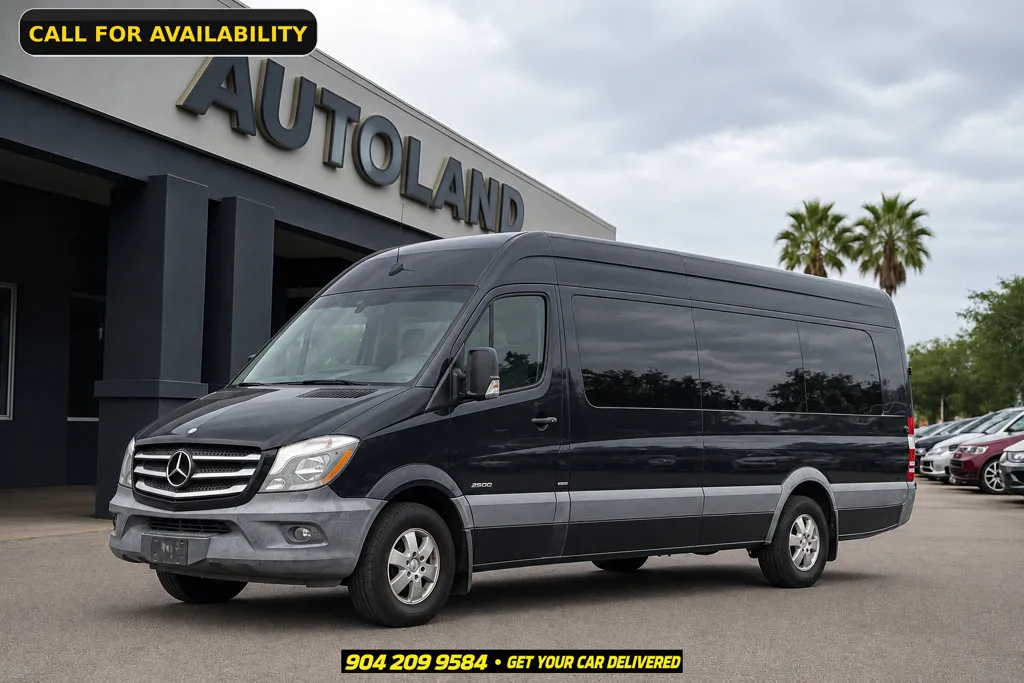
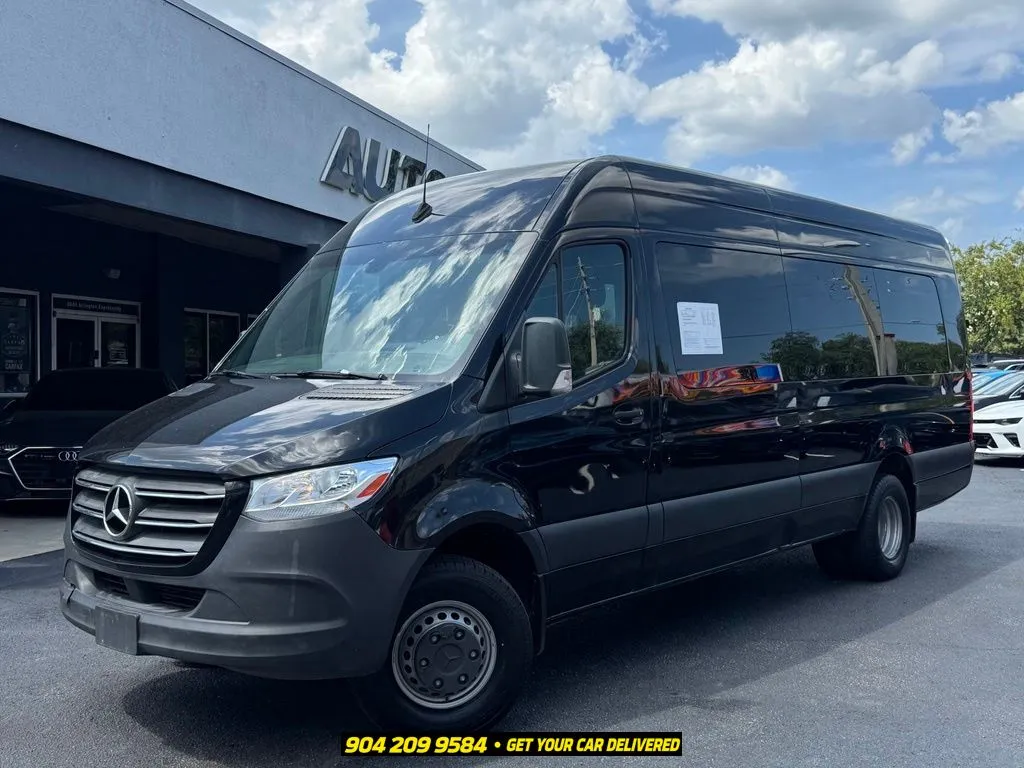
The Sprinter is the van many people picture when they imagine a luxury camper conversion or an overland-ready adventure vehicle. Its upright interior, available high roof, and long wheelbase options create a roomy platform for beds, kitchens, bathrooms, solar power systems, and storage.
The 2026 Sprinter cargo van offers up to 319 cubic feet of cargo volume in certain configurations, with some versions reaching 374 cubic feet. Payload capacity can reach 4,211 pounds, while many configurations list a maximum towing capacity of 5,000 pounds.
For buyers who need even more capability, higher-output Sprinter configurations can tow up to 7,500 pounds, and certain heavy-duty chassis versions can reach a maximum payload of 6,812 pounds.
The Sprinter’s biggest advantage is often its feel. It tends to deliver a quieter, more composed ride, and its available diesel engine can appeal to drivers who spend long hours on the highway. It is also a favorite among custom upfitters because the interior layout lends itself well to camper builds, mobile offices, and specialty commercial conversions. To access this luxury and comfort in a new Mercedes van, you need to pay more. But if you purchase a Sprinter on the secondary market, smart buyers can get both luxury and a reasonable price.
Ford Transit Van vs. Mercedes Sprinter: Core specifications compared
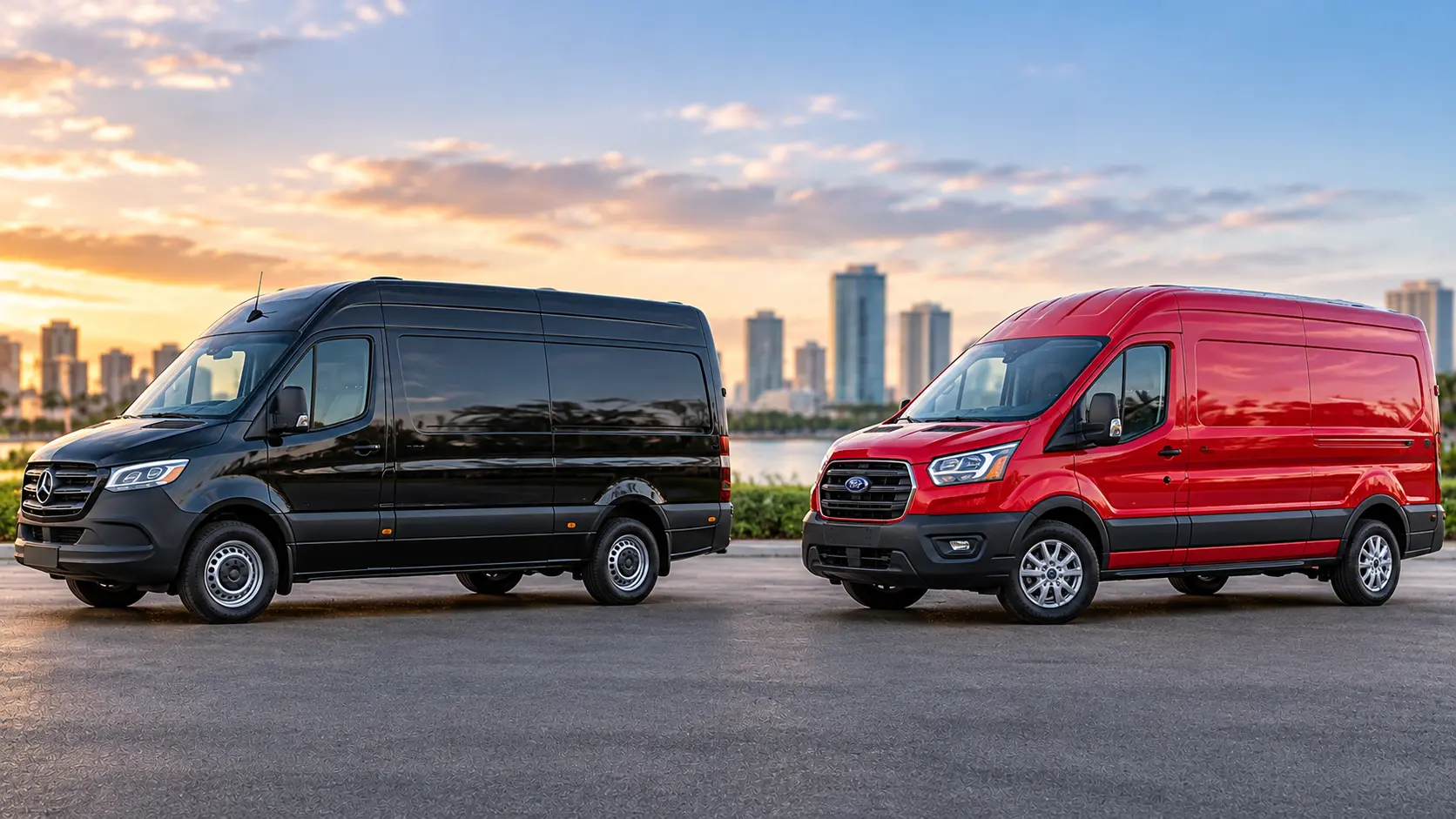
Exact numbers vary by wheelbase, roof height, drivetrain, engine, and equipment, so always confirm the window sticker and vehicle specification before buying.
| Core Parameter | Ford Transit | Mercedes-Benz Sprinter |
|---|---|---|
| Typical engine choices | 3.5L V6, 275 hp / 260 lb-ft; 3.5L EcoBoost V6, 310 hp / 400 lb-ft | 4-cylinder gasoline or diesel, output varies by configuration |
| Transmission | 10-speed automatic | Automatic transmission, configuration-dependent |
| Drive layouts | RWD; AWD available on many configurations | RWD; AWD available on many configurations |
| Maximum cargo volume | Up to 536.4 cu ft with front passenger seat removed; 487.3 cu ft behind first row | Up to 533 cu ft in certain configurations |
| Maximum payload | Up to 5,103 lbs, properly equipped | Up to 6,812 lbs in heavy-duty configurations |
| Maximum towing | Up to 6,900 lbs, properly equipped | Up to 7,500 lbs with high-output engine |
| Passenger capacity | Up to 15 in Transit-350 passenger van | Up to 15 in Sprinter passenger van |
Read also:
Popular car vans in Jacksonville
Sprinter vs. Transit: Which van is better for a camper conversion?
Both vans can become excellent campers, but they suit slightly different buyers.
- A Ford Transit conversion can be a smart way to keep the project budget under control. Used Transit vans are widely available, parts and service are generally easy to find, and the Transit’s boxy cargo area provides plenty of usable space for insulation, cabinetry, a bed, and a compact kitchen. For a first camper build or a weekend travel van, the Transit is hard to beat.
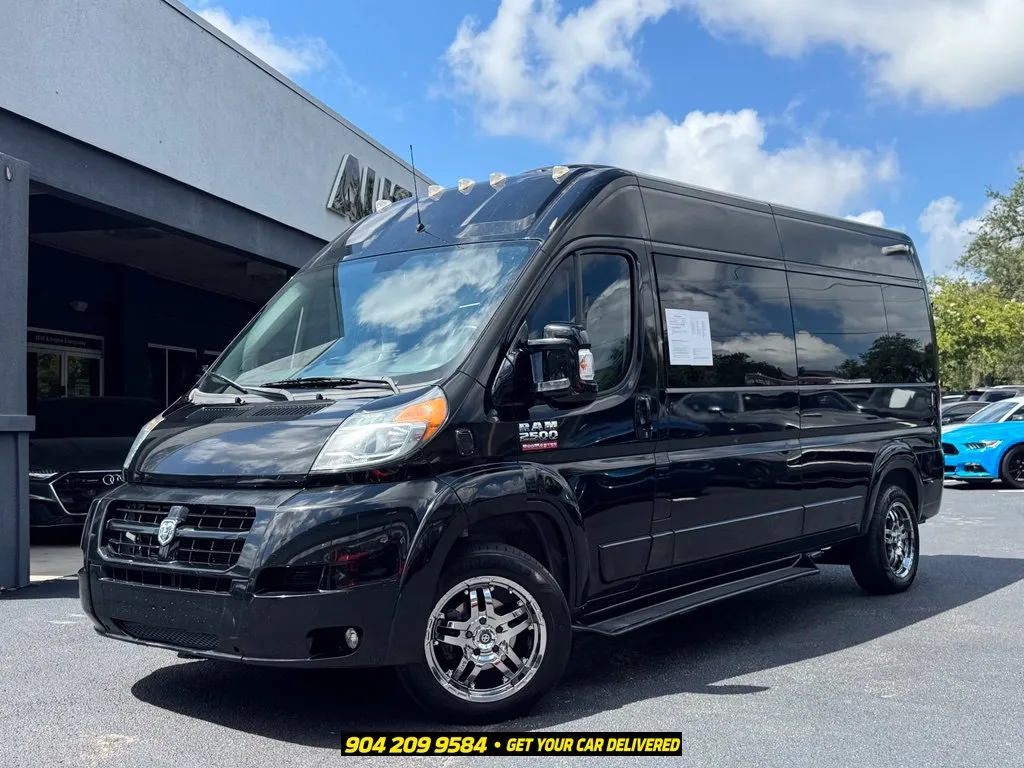
- A Sprinter conversion is often the choice for buyers who want a more premium finished product. Its available high roof and long wheelbase make it easier to create a standing-height interior, while its diesel engine and available all-wheel drive appeal to travelers who plan to cover serious miles or explore beyond paved roads.
Before starting any conversion, it is important to set a realistic budget. A professionally built camper van can cost far more than the base vehicle once you add electrical systems, plumbing, insulation, cabinetry, heating, cooling, and safety equipment.
Buying a quality used van and having a trusted shop convert it is often more affordable than buying a new, pre-built camper.
Which van gets better fuel economy: Sprinter or Transit?
Neither van receives official EPA fuel-economy ratings because full-size vans are exempt from those standards. In independent highway testing, a Ford Transit with the turbocharged V6 returned 16 mpg with all-wheel drive and 17 mpg with rear-wheel drive.
A diesel Sprinter can be more efficient on long highway trips, with real-world figures often reported in the mid-teens to around 22 mpg depending on load, configuration, and driving conditions.
Is the Ford Transit cheaper to maintain than the Sprinter?
Usually, yes, especially for buyers who prioritize easy access to service. Ford’s dealer and parts network is broad, and the Transit’s gasoline drivetrain is generally simpler and less expensive to repair than a diesel system.
Do I need a special license to drive a Transit or Sprinter?
In most cases, no. A standard driver’s license is typically sufficient for common Transit and Sprinter cargo and passenger vans, but requirements can change based on the van’s gross vehicle weight rating, passenger capacity, and commercial use.
If you plan to tow a large trailer or use the van for business, check Florida licensing and commercial-vehicle requirements before you buy.
Which should you buy in Jacksonville?
- Choose the Ford Transit if you want maximum versatility, strong cargo space, accessible parts and service, and a practical platform for work or a budget-friendly camper build.
- Choose the Mercedes-Benz Sprinter if you prioritize a premium driving experience, available diesel power, long-distance comfort, and a proven platform for high-end camper conversions.
At Autoland Jacksonville, you can compare specific configurations, review vehicle history, and find the right balance of capability, comfort, and price.
Visit our Jacksonville dealership to test drive a used Ford Transit and Mercedes-Benz Sprinter and see which full-size van fits your next chapter.