Jeep vs. Ford: Which Brand Fits Your Wishes Best?
Jeep and Ford are two American automakers that have served millions of loyal customers for decades. Ford is known for mainstream versatility, trucks, and quite affordable maintenance, while Jeep is built around off-road heritage, rugged capability, and adventure-first design.
If you want to understand not just what each brand offers, but what kind of ownership experience comes with it, this overview by Autoland Jax is for you.
Brand identity: Ford vs. Jeep
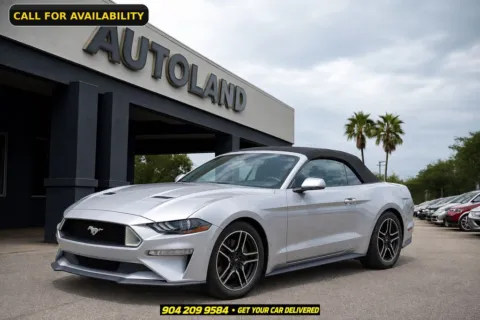
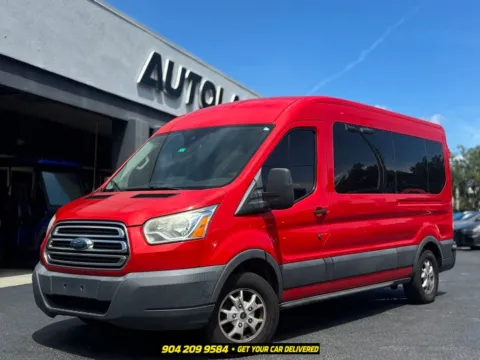
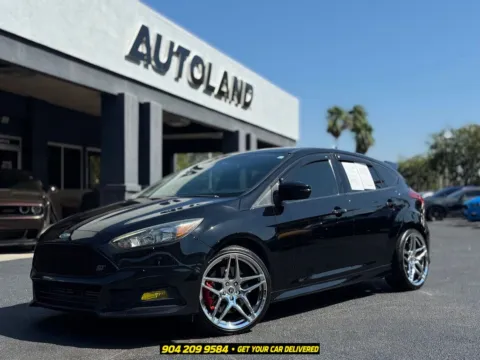
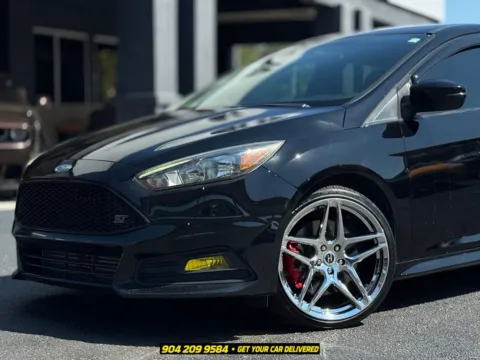
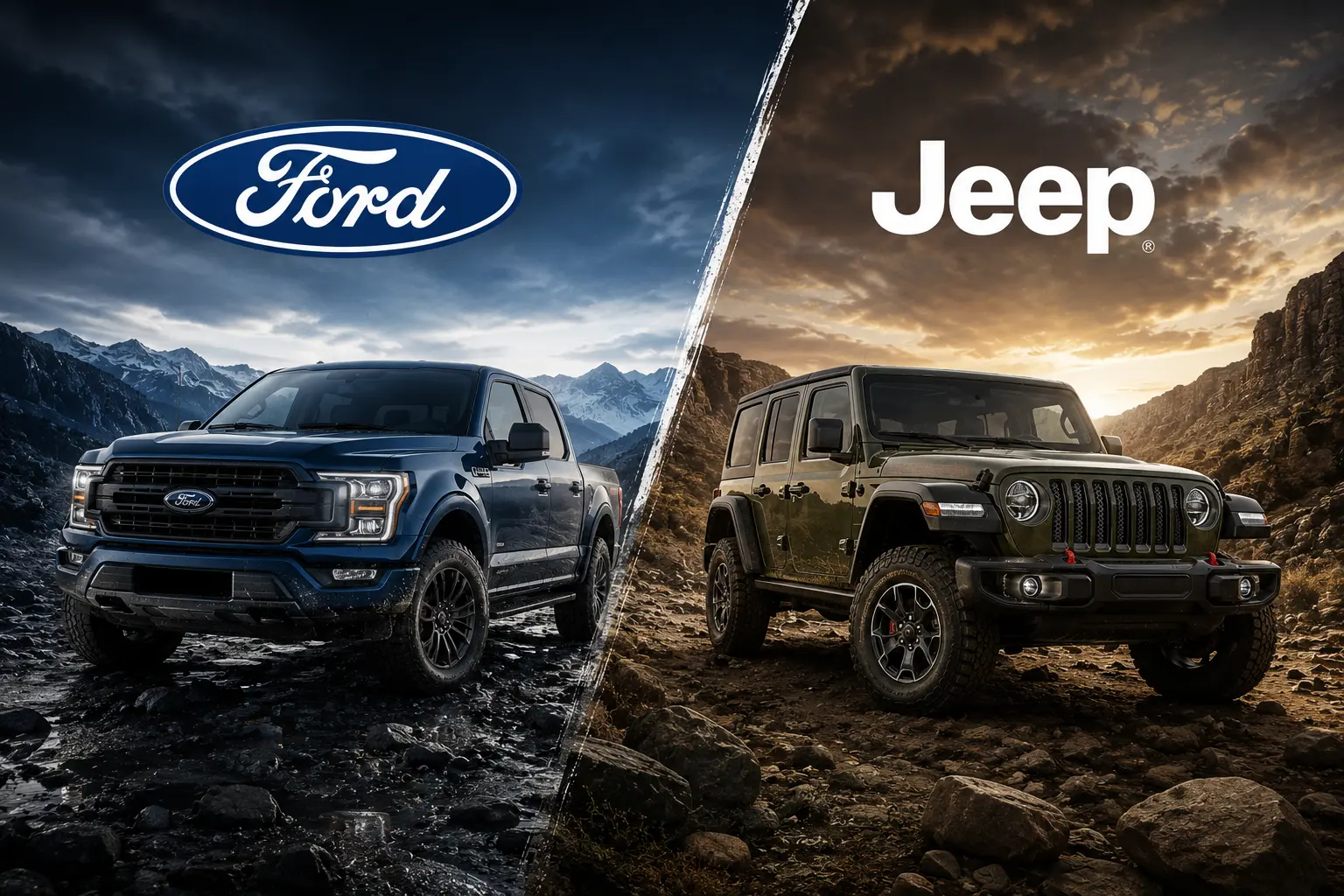
Since its foundation in June 1903, Ford has created cars for everyone. For decades, Ford models have been reliable, affordable, and easy to maintain. From work trucks to three-row SUVs and compact crossovers, Ford’s strength has always been its ability to deliver practical vehicles with wide trim ranges and familiar driving manners. In recent years, the brand has also leaned hard into truck leadership and outdoor-friendly styling, especially with the Bronco and Bronco Sport.
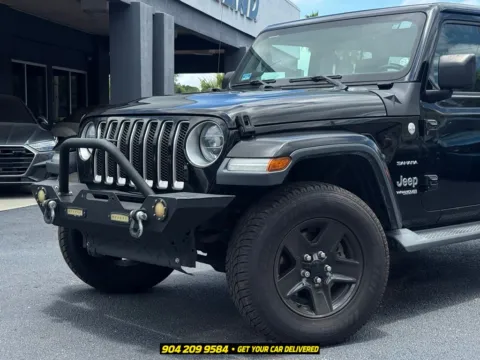
Jeep, by contrast, has always been more focused on identity since its birth in 1940. Even when it competes in family SUV and crossover segments, the brand still sells the promise of capability, trail readiness, and a more adventurous lifestyle. That image comes from Jeep’s military roots and decades of off-road credibility. Choose a Jeep if you want a vehicle that feels different from the typical commuter SUV.
Jeep vs. Ford: History and evolution
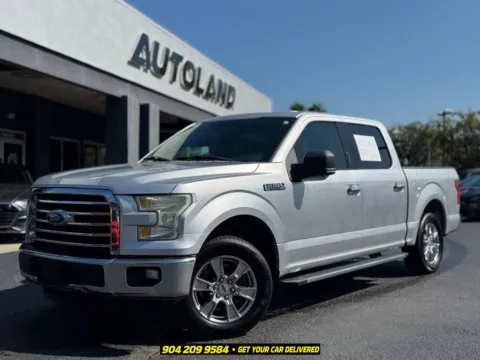
Let’s look at how each brand evolved. Ford’s legacy is tied to mainstream American motoring, mass production, and high-volume success. Over time, Ford grew into one of the most recognizable names in trucks and family vehicles, especially with long-running favorites like the F-Series, Explorer, and Ranger.
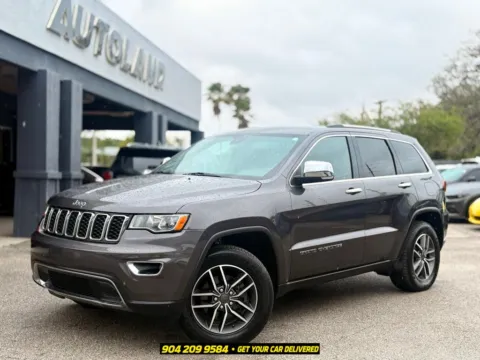
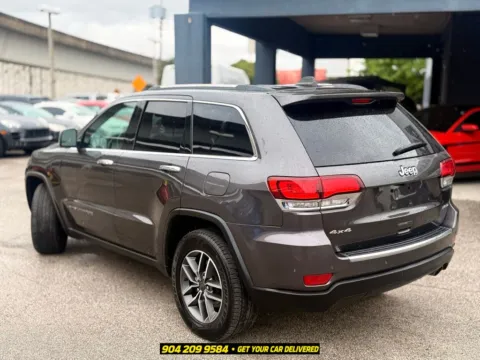
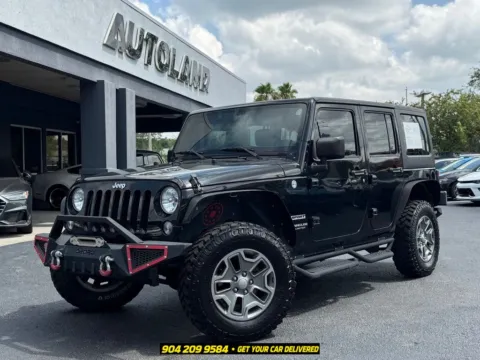
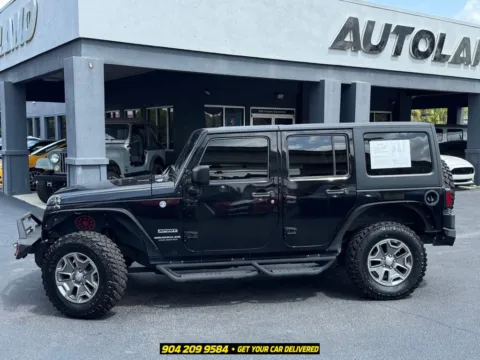
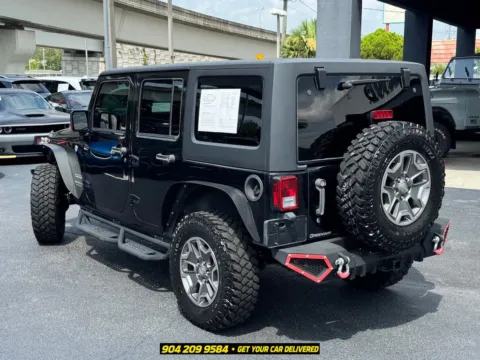
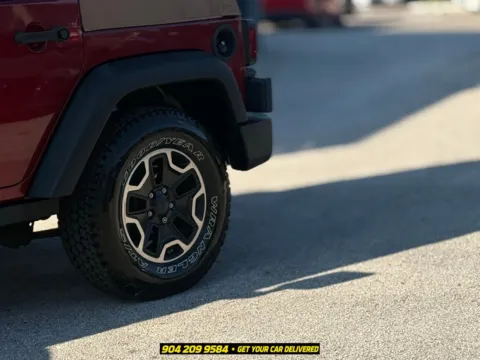
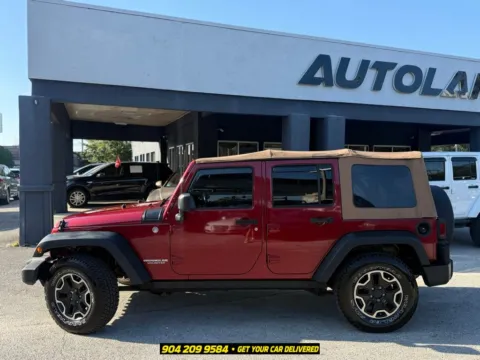
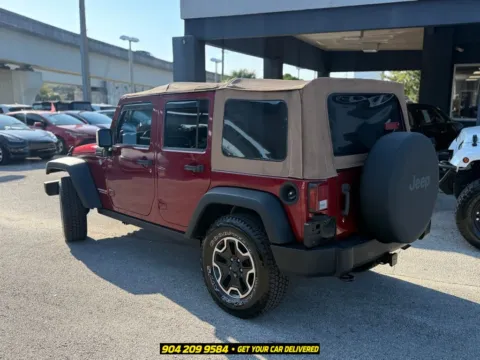
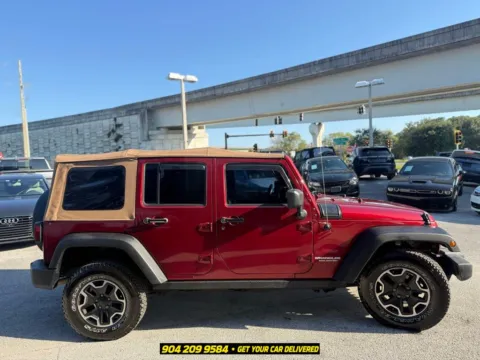
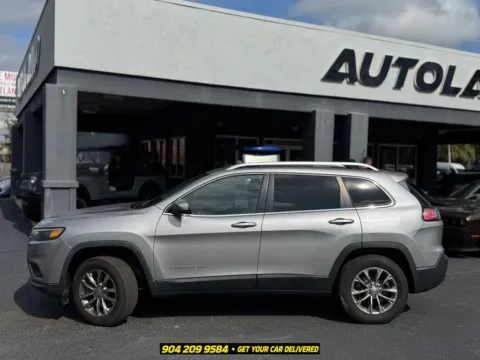
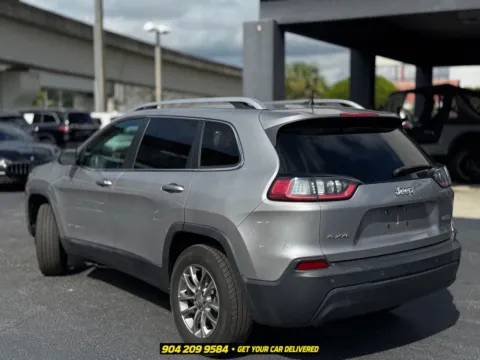
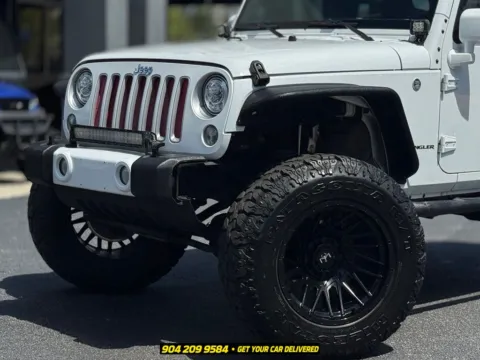
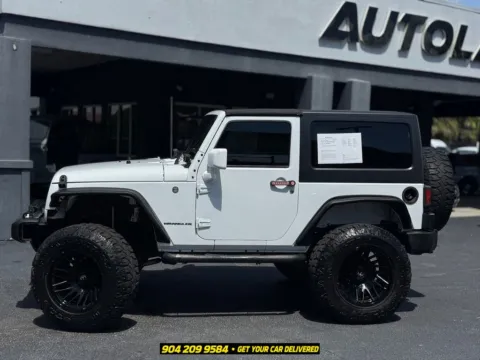
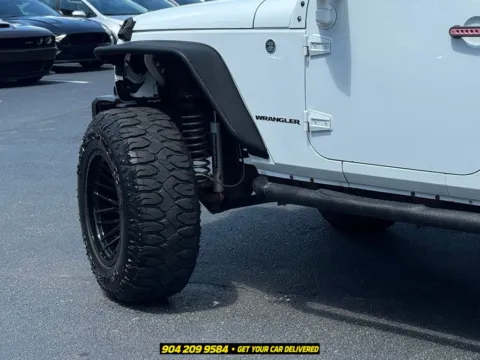
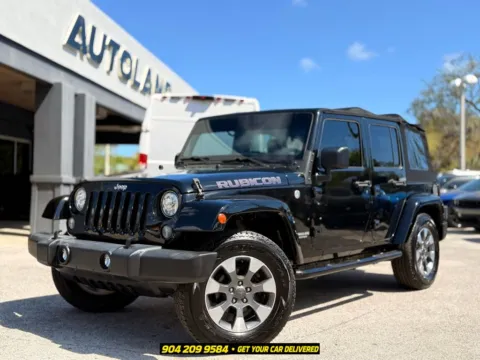
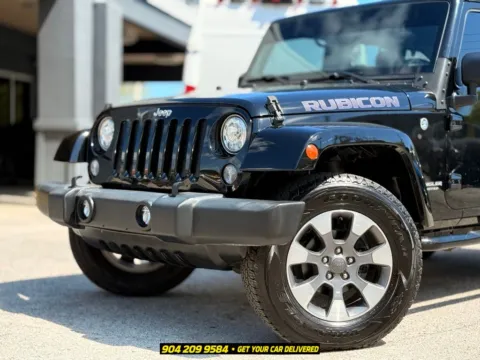
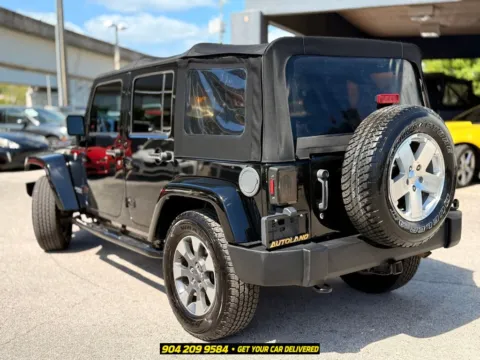
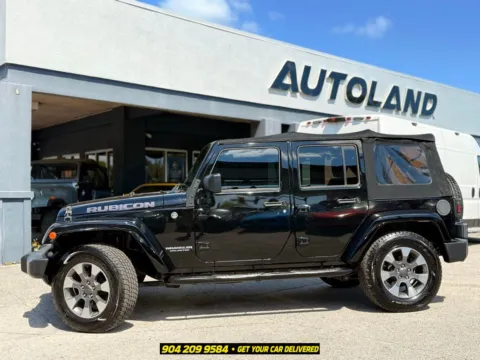
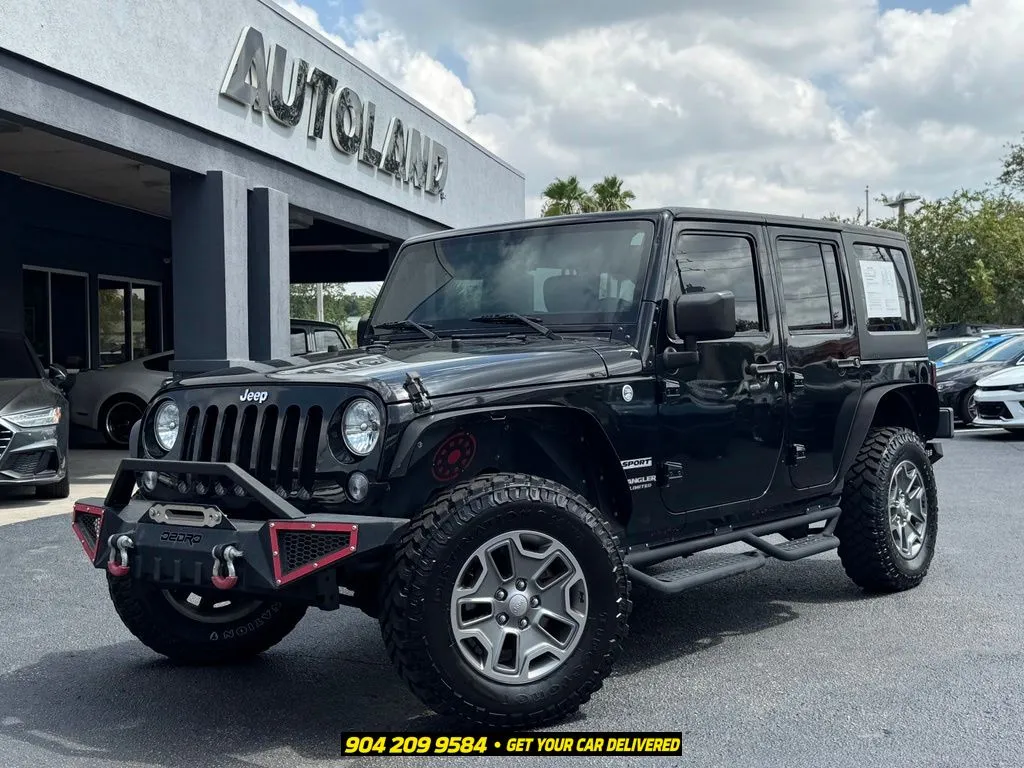
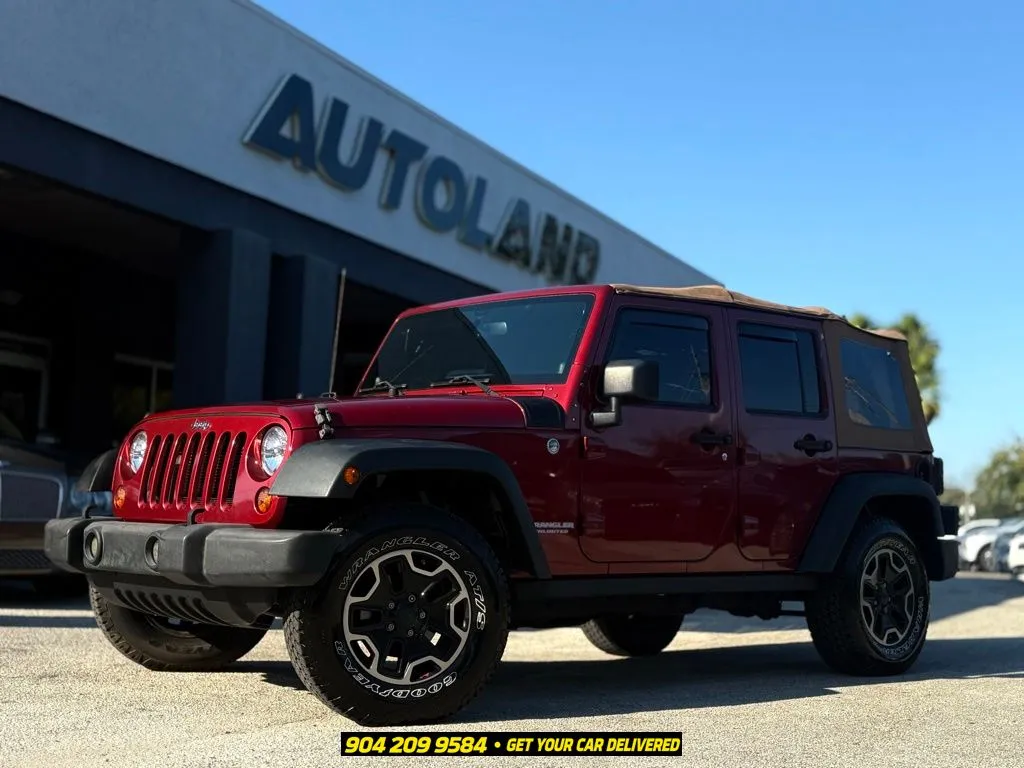
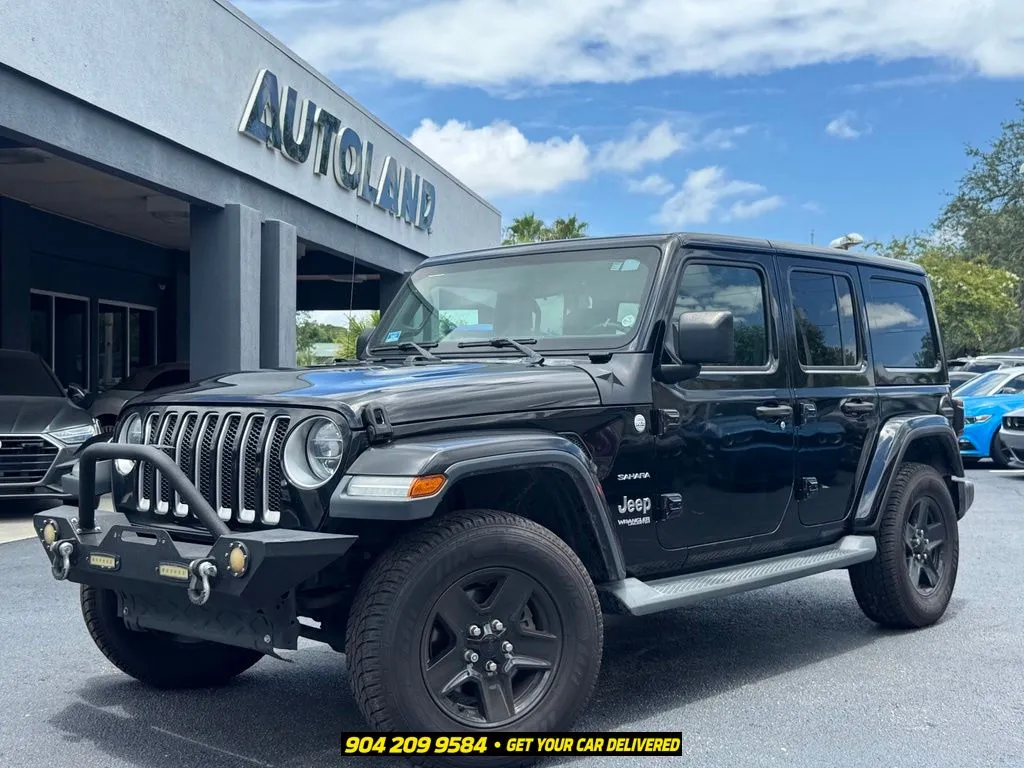
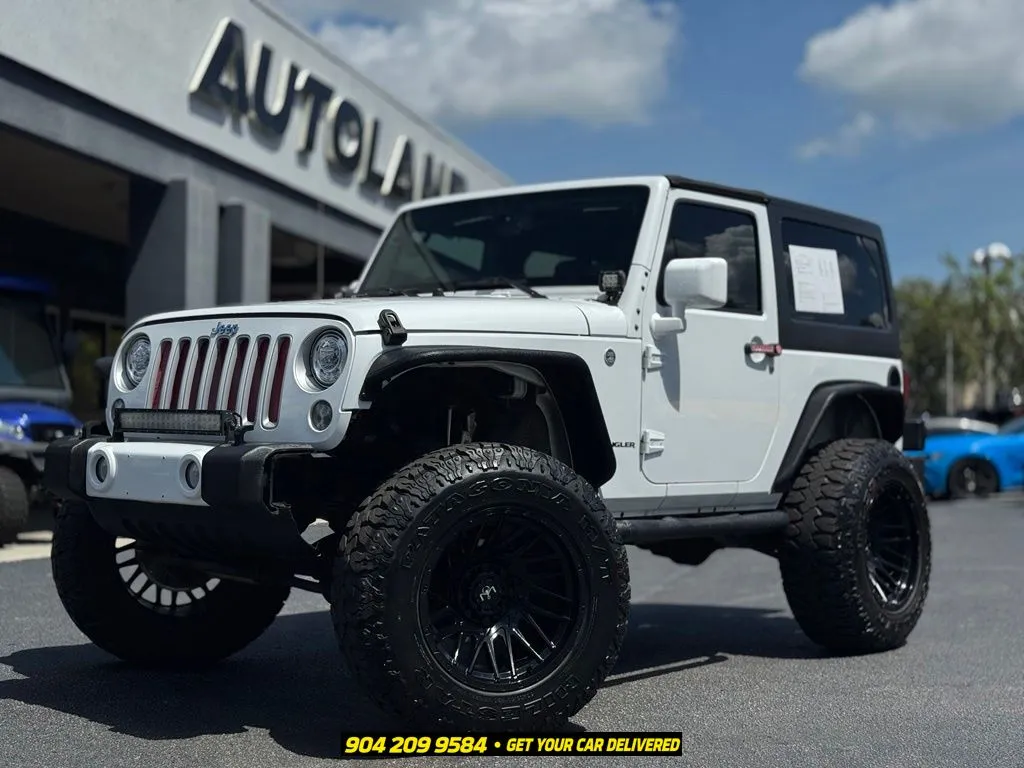
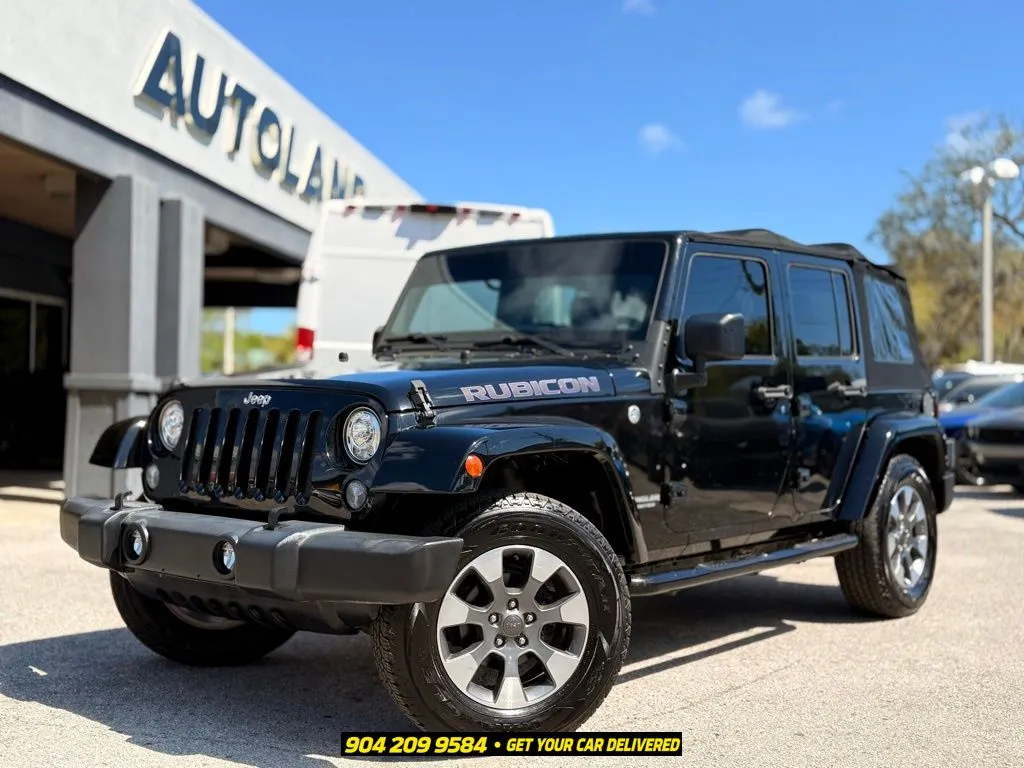
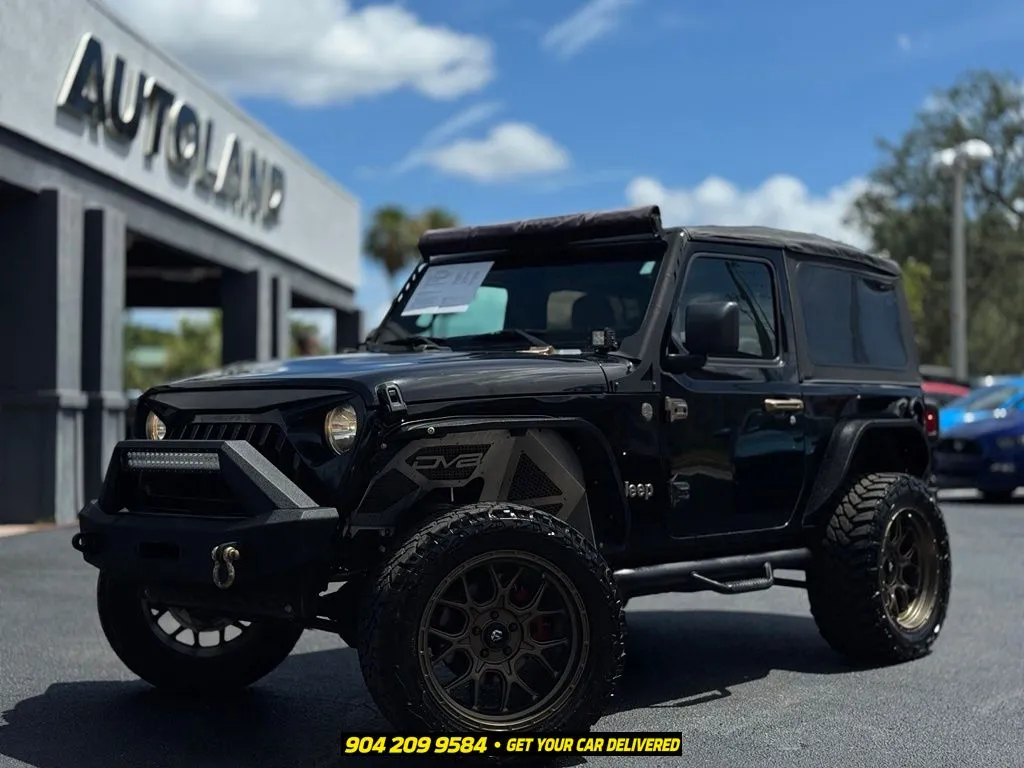
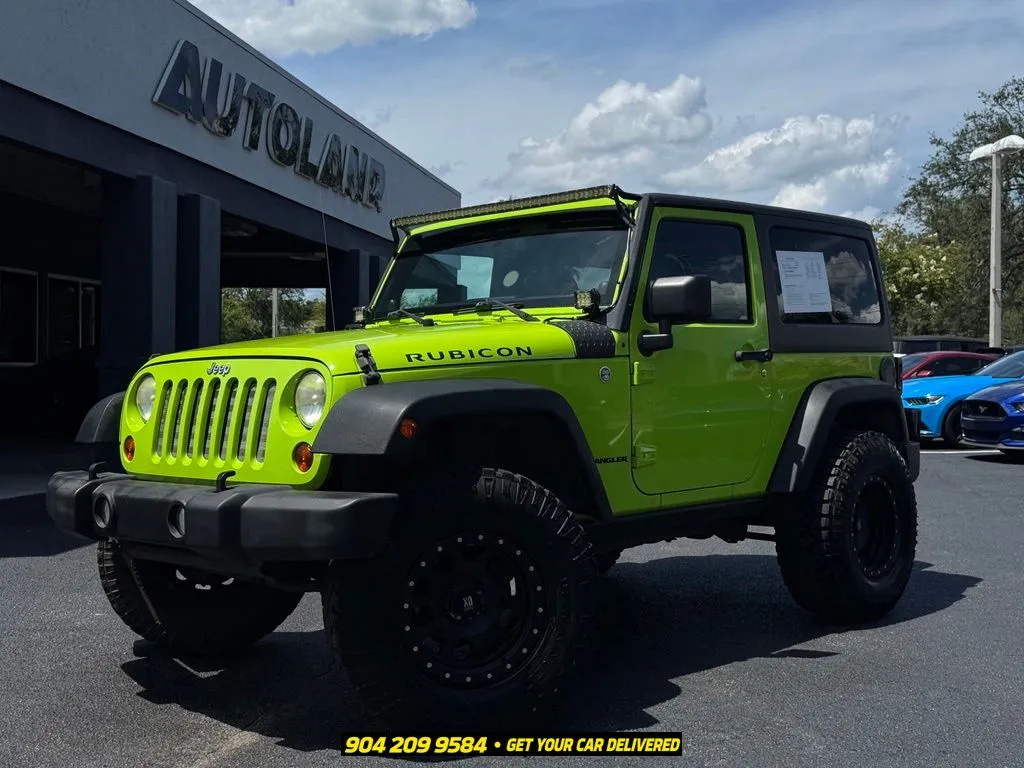
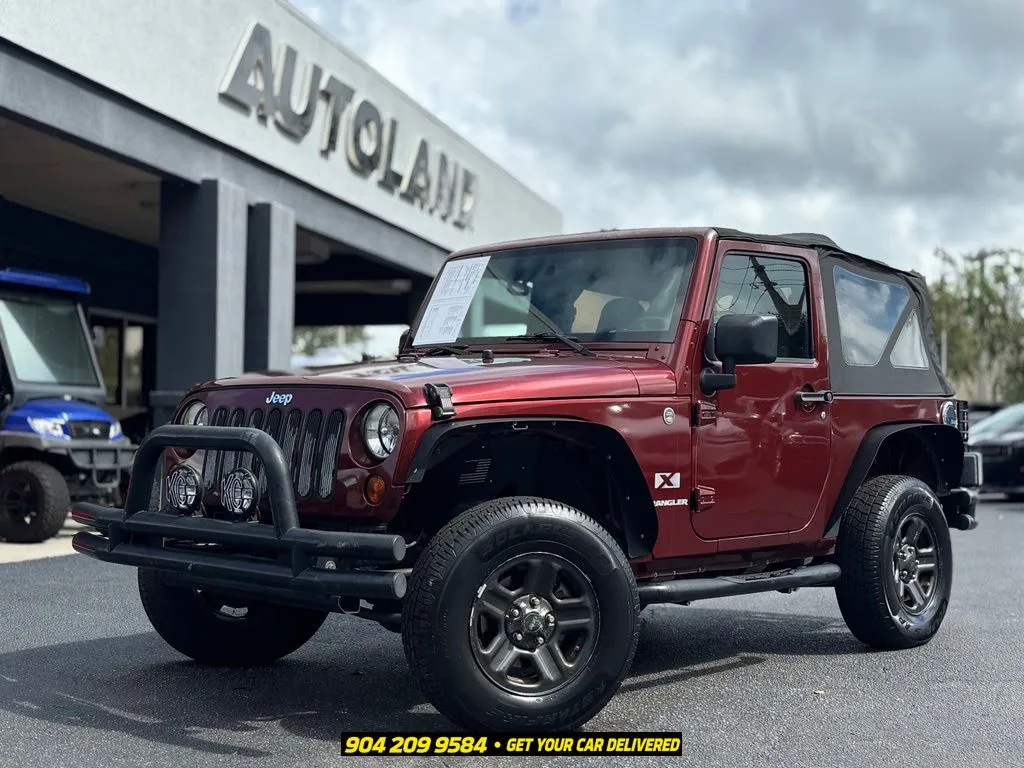
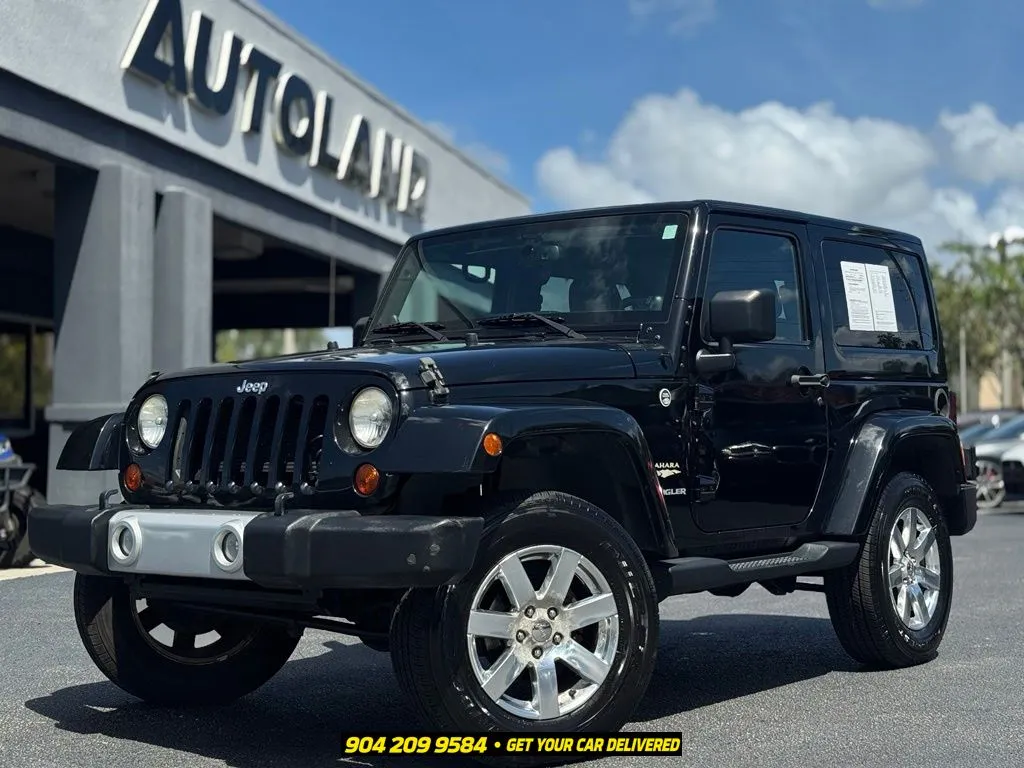
Jeep’s story began with utility and durability. The brand’s early vehicles were designed for tough conditions, and that DNA still shapes the lineup today. Models like the Wrangler preserve the core off-road formula, while the Grand Cherokee and Compass show how Jeep has expanded into more comfortable and everyday-friendly segments. The brand’s history gives it a stronger emotional pull if you're looking for a vehicle with personality.
Ford and Jeep flagship model matchups
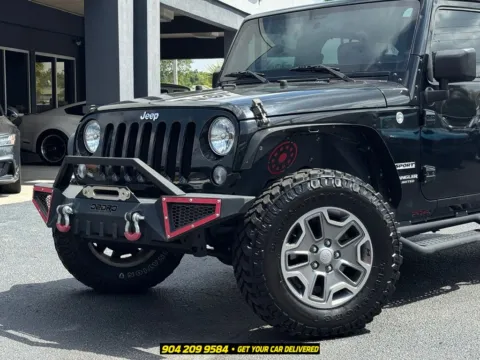
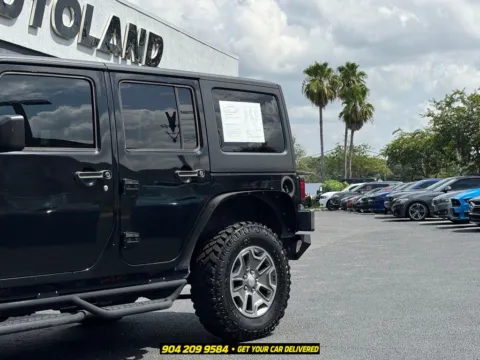
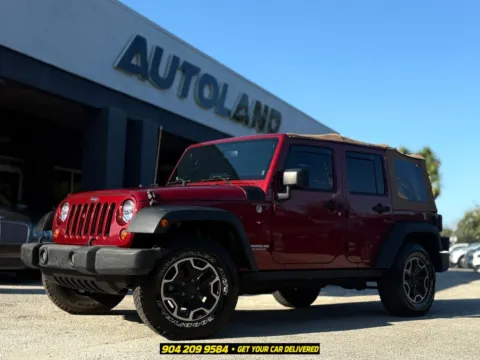
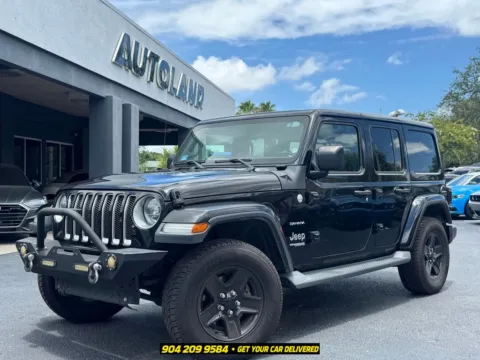
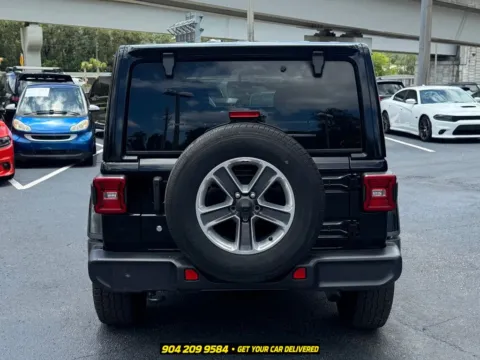
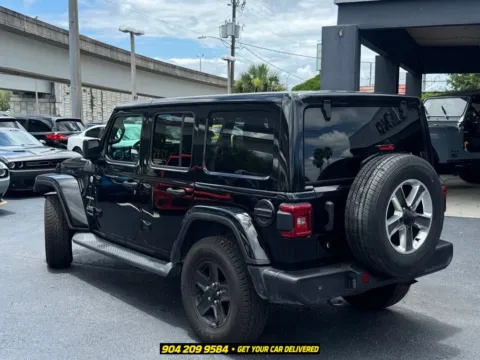
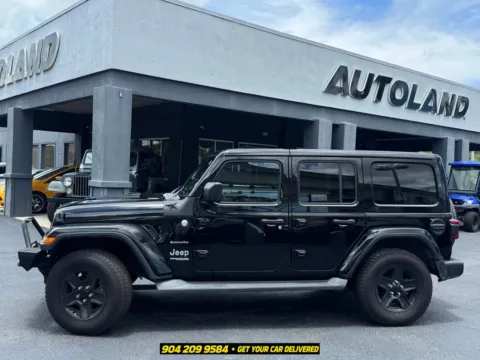
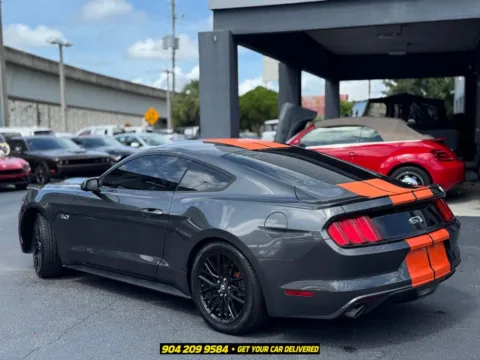
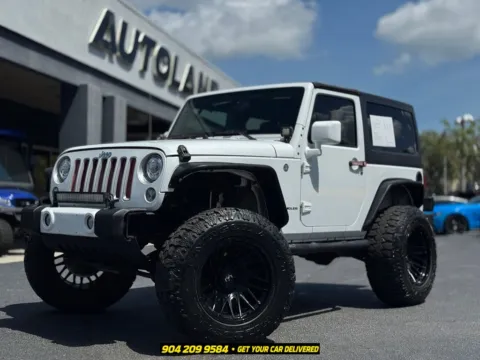
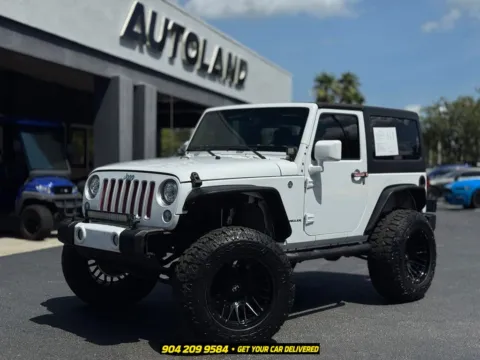
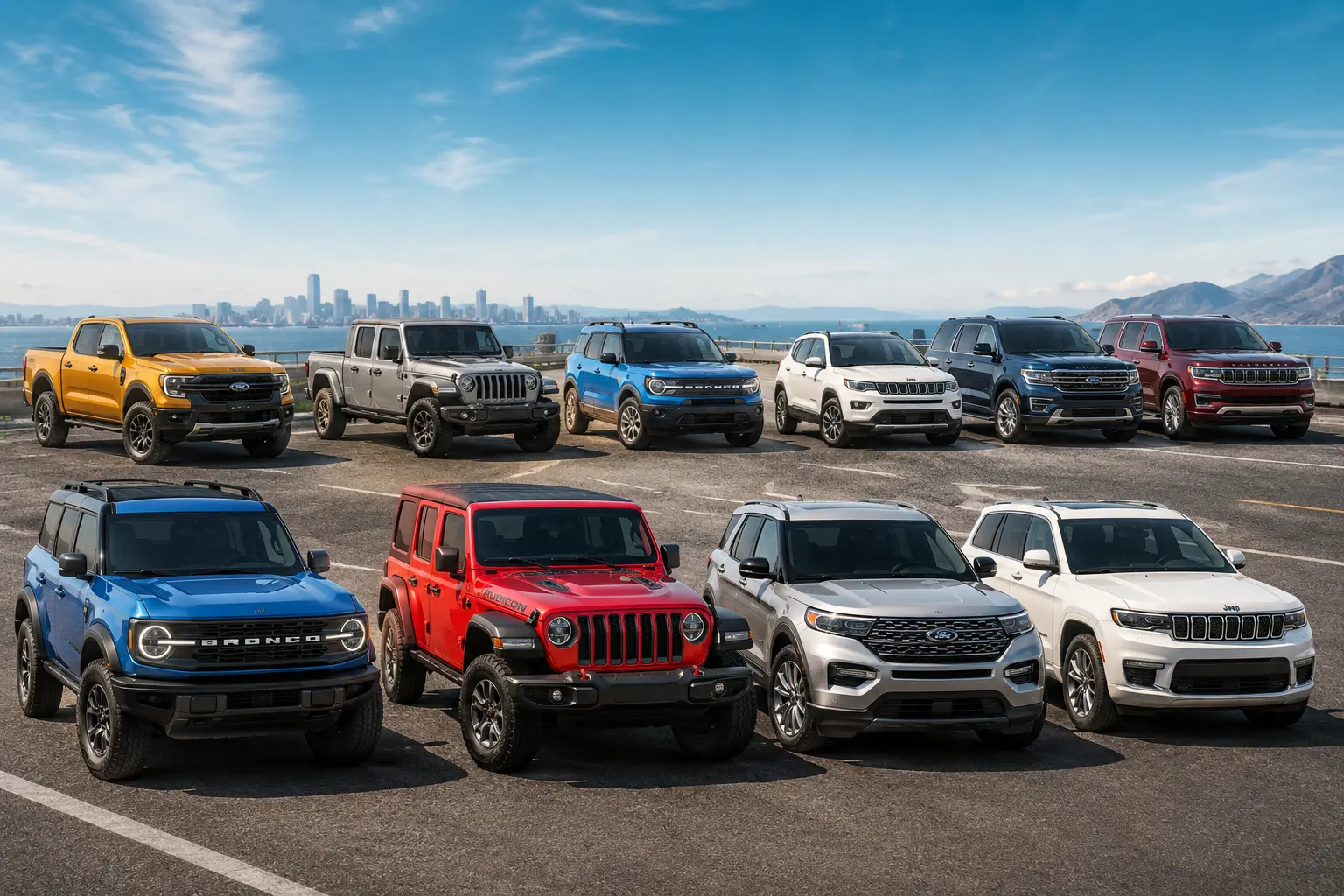
The Bronco and Wrangler are the most obvious rivals. Both are built for off-road use, offer removable tops or open-air appeal, and attract buyers who care about image as much as performance. The difference is that Ford packages the Bronco with a broader mainstream audience in mind, while Jeep keeps the Wrangler firmly tied to its off-road identity.
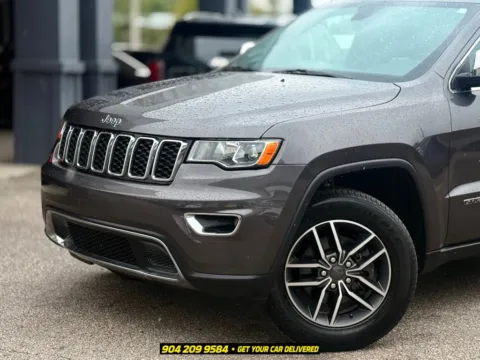
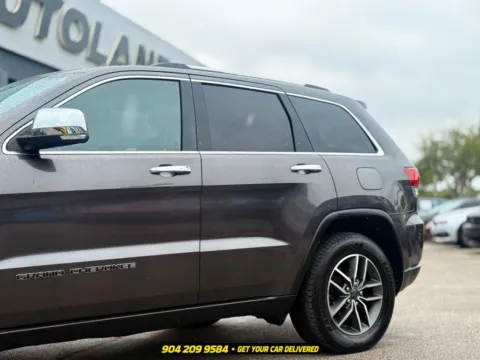
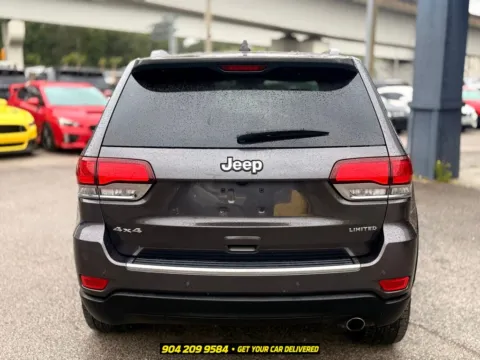
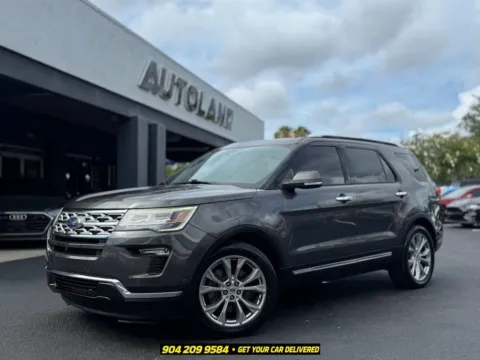
The Explorer and Grand Cherokee create another important matchup. These are family SUVs first, but they still offer enough capability to appeal to active buyers. The Explorer usually leans more toward everyday comfort and mainstream utility, while the Grand Cherokee often feels more premium and more closely connected to Jeep’s brand character.
The Ranger and Gladiator form a smaller but still important truck comparison. The Ranger is Ford’s midsize pickup, designed for buyers who want truck capability without stepping up to a full-size model. The Gladiator is less conventional because it can boast both pickup utility and Wrangler-style off-road DNA. That makes it more niche, but also more distinctive.
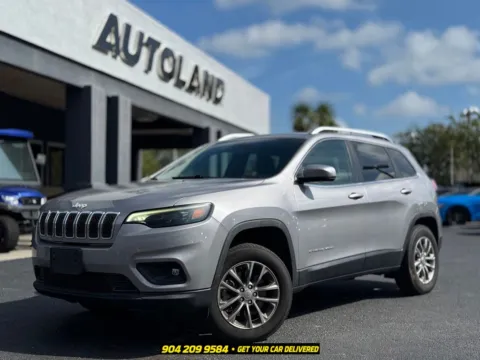
The Bronco Sport and Compass are strong compact SUV rivals. Both are entry-level models for buyers who want utility, but Ford leans more toward adventure styling and outdoor readiness, while Jeep leans more toward brand recognition and traditional SUV image. At the top end, the Expedition and Wagoneer compete as large family haulers with strong road presence and premium trims.
Model timeline by era
Ford and Jeep are easier to understand when viewed by era rather than as a random list of models. In the early era, both brands established the core ideas that still define them today. Ford built its reputation on practical utility and accessible ownership, while Jeep formed around small, rugged four-wheel-drive vehicles that later became icons.
- In the growth era, both brands expanded into the mainstream. Ford developed major nameplates like the F-Series, Explorer, and Ranger into household staples.
- Jeep introduced or expanded important models such as the Cherokee, Grand Cherokee, and Wagoneer, proving that a rugged brand could also win family buyers. This was the period when each brand became much larger than its original niche.
- In the modern era, both brands have doubled down on what they do best. Ford now mixes trucks, crossovers, and revived adventure models like the Bronco.
- Jeep continues to build around Wrangler, Grand Cherokee, Compass, Gladiator, and Wagoneer, with the lineup designed to reinforce its off-road-first image.
The modern Jeep vs. Ford debate is really about which version of utility you prefer: broad and mainstream, or rugged and character-driven.
Brands’ awards and recognition
Jeep’s biggest recent headline win came when the Wrangler was named MotorTrend SUV of the Year for the 2019 model year. That award acknowledged not just trail ability, but also the Wrangler’s broader engineering and design improvements.
Ford has also drawn significant attention in the truck and utility segments. The Maverick was named MotorTrend Truck of the Year for 2026, reinforcing Ford’s strength in practical value and smart packaging. Ford models also tend to appear frequently in discussions of safety, value, and utility because the brand sells across so many segments.
Customers about Fords and Jeeps
Ford owners often praise comfort, easy daily drivability, broad trim availability, and strong utility. Common complaints usually involve repair costs, road noise in some models, ride firmness in trucks, and occasional build-quality concerns.
“Best vehicle I’ve owned. Comfortable, easy to drive, and it works for everything I need.” - Michael Turner, the owner of a 2021 Ford Bronco.
Jeep owners tend to praise capability, styling, trail confidence, and the emotional appeal of the brand. On the negative side, common complaints often include a rougher ride, cabin noise, higher ownership costs, and stronger wear on some components, depending on the model and use case. That contrast is one reason Jeep creates such loyal fans, even when it does not always lead in refinement.
“Not the quietest, but worth it. It feels capable, looks great, and handles rough roads with confidence.” - James Carter, the owner of a 2023 Jeep Wrangler.
Be aware of the recall’s records
Ford has had a long list of recall campaigns over the years, including recent actions affecting several high-volume models. Jeep also has a history of recall clusters, especially around safety-related systems in certain years and vehicles.
Ford recalls
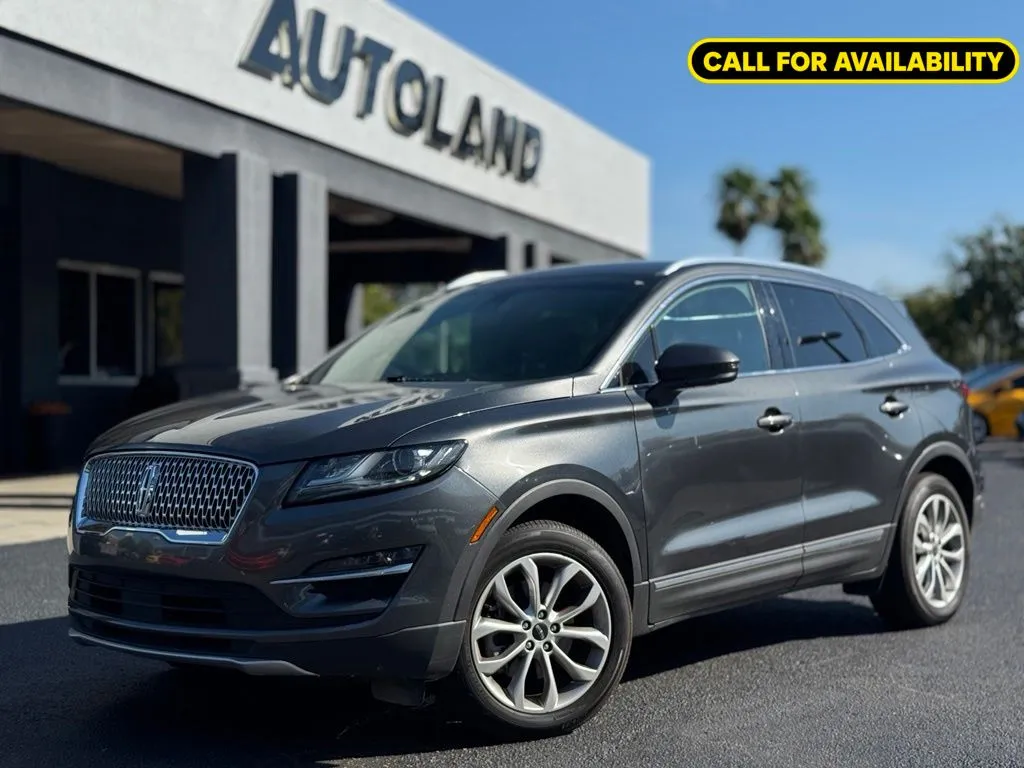
- 2013–2019 Escape, 2013–2018 Focus, 2015–2016 Lincoln MKC - fire risk / electrical.
- 2021–2023 Bronco - seat / restraint safety.
- 2021–2022 Expedition and Navigator, plus 2021–2023 F-150 and 2022–2023 F-Series Super Duty - body / exterior hardware.
- 2022–2026 F-150 Lightning, 2024–2026 Mustang Mach-E, 2025–2026 Maverick - parking / rollaway risk.
- 2021–2026 Ford and Lincoln models tied to towing software - electrical / brake and trailer-control software.
Jeep recalls
- 2022–2026 Grand Cherokee PHEV - hybrid control / power loss.
- 2022–2024 Wagoneer and Grand Wagoneer, 2021–2023 Grand Cherokee L, 2022–2023 Grand Cherokee - electrical / camera software.
- 2022–2023 Compass - electrical / instrument cluster software.
- 2021–2023 Grand Cherokee - steering.
- 2024–2025 Wrangler 4xe and 2023–2025 Grand Cherokee 4xe - engine / contamination.
You can check your Ford or Jeep for a recall here, and it’s wise to check the particular vin before buying a used one.
Jeep vs. Ford: Final verdict
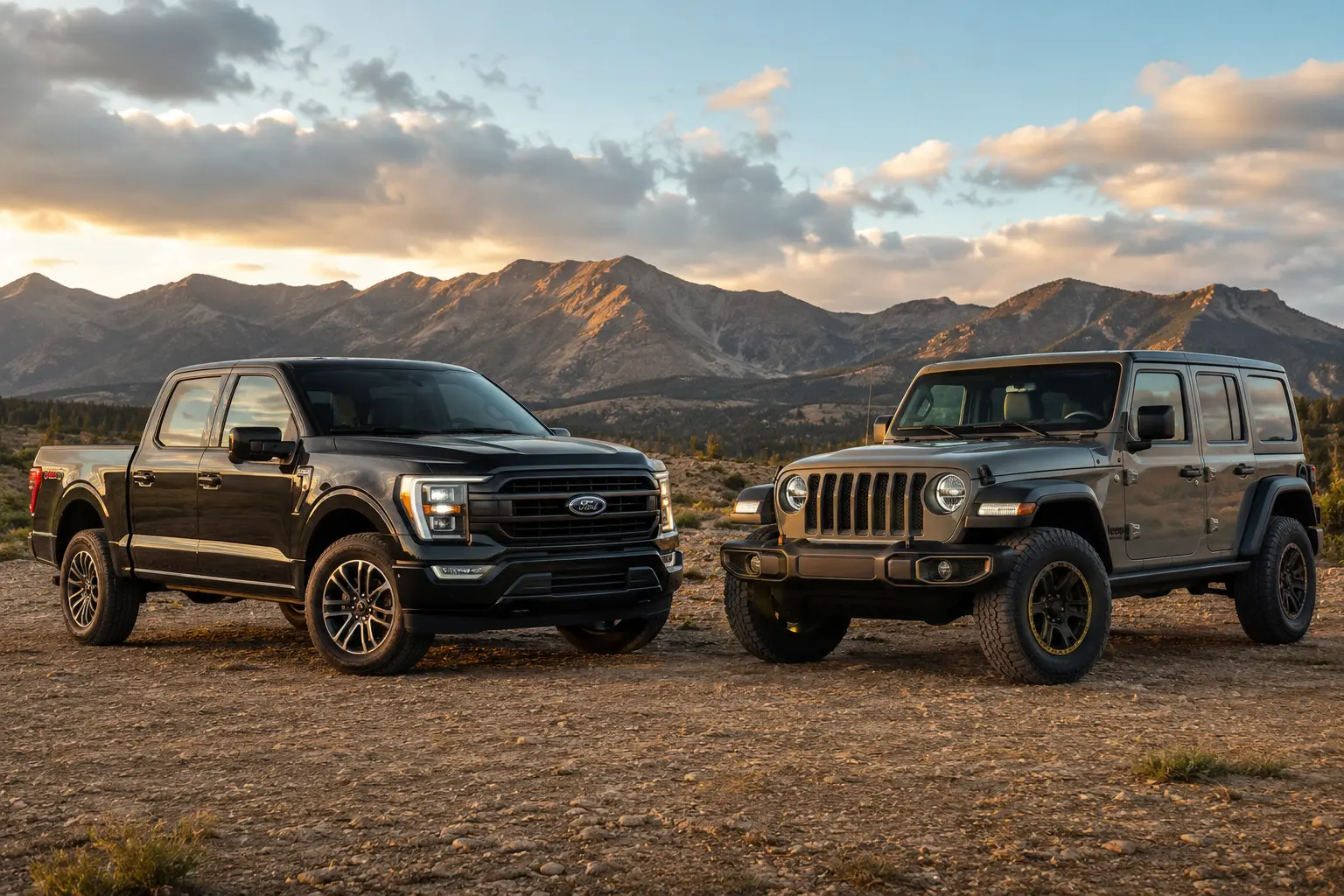
If the goal is off-road use, Jeep usually wins because the brand was built around that purpose and still leans hardest into trail capability.
If the goal is daily driving, Ford often has the edge because its vehicles usually feel more mainstream and easier to live with. If the goal is reselling value, Ford frequently looks stronger in practical trims, while Jeep may justify its pricing with image and capability.
For long-term ownership, the answer depends on maintenance habits and the exact model, but Ford often appeals more to buyers who want easier access to parts and broader service familiarity. For resale, Wrangler and Bronco usually stand out because demand stays strong, and both nameplates carry a lot of lifestyle appeal.
Ready to compare Jeep vs. Ford in person? Visit Autoland Jacksonville today to explore our used inventory, test drive your top picks, and find the right fit.