
Car Maintenance Tips: How to Extend Your Car’s Lifespan
Regular maintenance is the key to long-lasting, trouble-free performance of your vehicle.
Autoland technicians collected this list of top car maintenance tips to help your vehicle run longer without major repair, improve performance, and enhance overall safety.
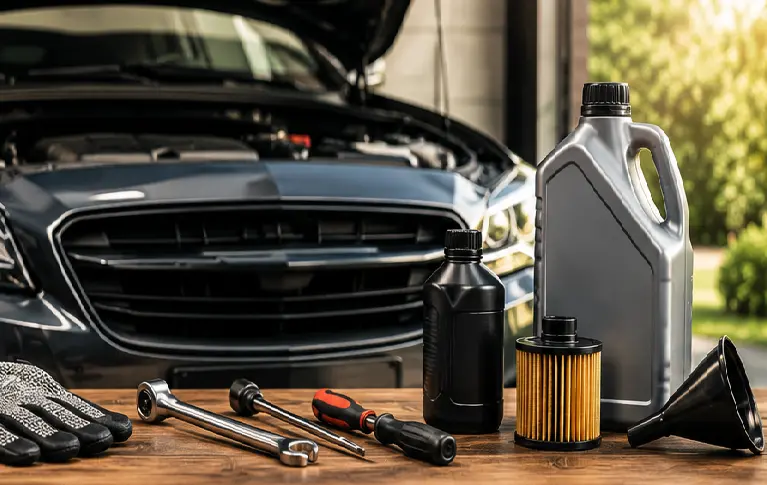
10 DIY vehicle maintenance tips
Regular maintenance is key to long-lasting, trouble-free performance. Explore these essential DIY auto maintenance hints, which are easy to follow, to keep your vehicle safe and dependable on the road. Here are 10 key checks you should never neglect:
1. Check engine oil regularly
Oil lubricates and cools the engine. Check the level every 2-4 weeks or before long trips. Dark color alone does not always mean the oil is bad, but if it looks gritty or the level is low, address it.
Most modern vehicles require oil changes every 5,000–7,500 miles, depending on driving conditions and oil type - always follow the manufacturer’s schedule.
2. Monitor tire pressure
Florida heat can raise tire pressure significantly. Check pressure at least monthly and before long trips, using the recommended PSI listed on the driver’s door jamb - not the tire sidewall.
3. Replace the air filter
A clean air filter supports engine efficiency and fuel economy. Replace it every 15,000–30,000 miles, or sooner if driving in dusty or high-traffic conditions.
4. Maintain the battery
Heat is a major cause of battery failure in Florida, often more than cold. Inspect terminals for corrosion and ensure a secure connection. Most car batteries last about 3–5 years in hot climates. Many modern batteries are sealed and do not require electrolyte checks.
5. Monitor the braking system
If you hear squeaking, grinding, or feel vibration, have the brakes inspected immediately. Brake pad lifespan varies widely (typically 25,000–70,000 miles).
Replace brake fluid every 2–3 years, as it absorbs moisture in humid environments like Florida.
6. Check the coolant and cooling system
Cooling systems are critical in hot climates. Check coolant levels monthly and inspect hoses for cracks or leaks. Many modern coolants last 5 years or 100,000–150,000 miles - verify your vehicle’s specification.
7. Don’t ignore the “Check Engine” light
This warning can indicate anything from a loose gas cap to serious engine issues. Prompt diagnostics can prevent costly repairs. Many auto parts stores in the U.S. offer free code scans.
8. Wash your car regularly
In Florida, UV exposure, salt air (especially near the coast), and heavy rain can damage paint. Wash every 2–3 weeks and apply wax or sealant periodically to protect the finish. Interior cleaning also helps prevent mold and material degradation due to humidity.
9. Inspect the timing belt or chain
Not all vehicles have a timing belt - many use timing chains that typically do not require scheduled replacement. If your vehicle has a belt, replacement is usually recommended between 60,000–100,000 miles. Check your owner’s manual.
10. Follow the manufacturer’s maintenance schedule
Factory-recommended service intervals are tailored to your specific vehicle. Sticking to them is the most reliable way to prevent breakdowns and maintain resale value.
Read also:
Regular car maintenance and repair explained
Watch this video for more detailed explanation:
Tips for summer car care
Operating a vehicle in Florida’s heat and humidity puts extra strain on key systems. These tips help reduce breakdown risks and improve comfort during hot-weather driving.
Don’t idle to “warm up” the engine
Modern vehicles do not require an extended warm-up in summer. Letting the engine idle for 2–3 minutes is unnecessary and wastes fuel. Instead, start the car and drive gently for the first few minutes - this allows oil to circulate properly without added wear.
Use proper windshield washer fluid
Plain water (even with soap) is not effective at removing bugs, road film, and salt residue common on Florida highways. It can also leave mineral deposits that clog the system. Use a summer-rated washer fluid or distilled water mixed with a proper concentrate.
Protect the interior from heat and UV
Florida sun can push cabin temperatures above 140°F. Use a windshield sunshade, park in shaded areas when possible, and consider UV-protective window tint.
Note: Florida law allows non-reflective tint within limits (e.g., front side windows must allow more than 28% of light in). Fully reflective or overly dark tint can result in fines.
Avoid overfilling the gas tank
Fuel expands in high temperatures. Topping off the tank can cause overflow or damage the evaporative emissions system. Stop fueling when the pump clicks off.
Protect paint and headlights
Frequent sun exposure, sand, and debris can damage the clear coat and headlights. Apply wax or paint sealant every few months and consider protective film for headlights.
Keep the cooling system clean and efficient
Radiators in Florida can clog with bugs, sand, and debris. Inspect and clean externally with low-pressure water. Professional cleaning or flushing typically costs around $100–$250, depending on the vehicle.
Before you hit the road: vehicle maintenance tips for your next long road trip
Preparing your car for a long drive is a vital step to a stress-free, enjoyable trip. Long drives on the heat of Florida roads require extra precautions.
What to bring with you
- Basic tools: jack, lug wrench, properly inflated spare or space-saver tire, and a portable air compressor.
- Tire repair kit for temporary fixes.
- Fluids:1 quart of engine oil matching your vehicle; washer fluid or at least 1 gallon of water; coolant (pre-mixed, if applicable).
- Emergency supplies: phone charger, flashlight, and drinking water.
Note: Carrying gasoline in a container is generally not recommended unless using an approved fuel container and only for short distances.
What to check at the repair shop near you
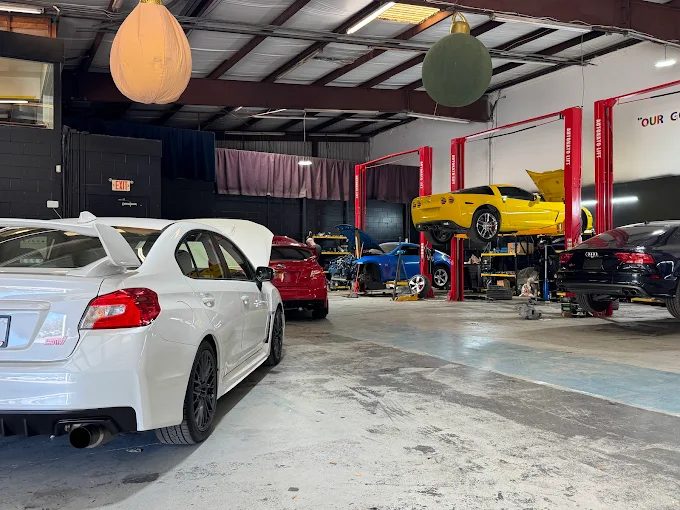
- Schedule a pre-trip inspection: brakes, suspension, battery, and cooling system.
- Replace brake pads if worn below 1/8 inch.
- Follow manufacturer oil change intervals (often 5,000–7,500 miles for modern vehicles).
- Check wheel alignment if you notice uneven tire wear or pulling.
What else to keep in the car
- Spare fuses and bulbs (if your vehicle uses replaceable ones).
- Owner’s manual or digital access via app.
- Tire pressure gauge (Florida heat can increase tire pressure significantly - check regularly).
________________________
Staying on top of routine maintenance is the easiest way to extend your vehicle’s life, improve performance, and avoid unexpected repair costs.
If your car is due for service or you’ve noticed any strange noises or warning signs indicated on the dashboard, schedule a visit to the Autoland Jacksonville service station. Our technicians will do the necessary checks and maintenance to keep your vehicle running safely and reliably - book your appointment today and conquer the Florida roads with confidence.