American Muscle Cars: From Classics to Electric
Table of Contents
- Modern muscle cars in Florida: Power and technology
- What are electric muscle cars?
- The origins of American muscle cars
- How does Florida's climate impact classic muscle cars?
- What are Florida's emissions and mod rules for muscle cars?
- What are Florida's top roads for muscle car cruising?
- Are muscle cars a smart investment in Florida?
- What key questions should I ask before buying a muscle car in Florida?
- The golden era of American muscle cars: The 1960s
- The 1970s: The end of a golden era
- The 1980s and 1990s: A revival of interest
- American muscle cars for connoisseurs in Jacksonville
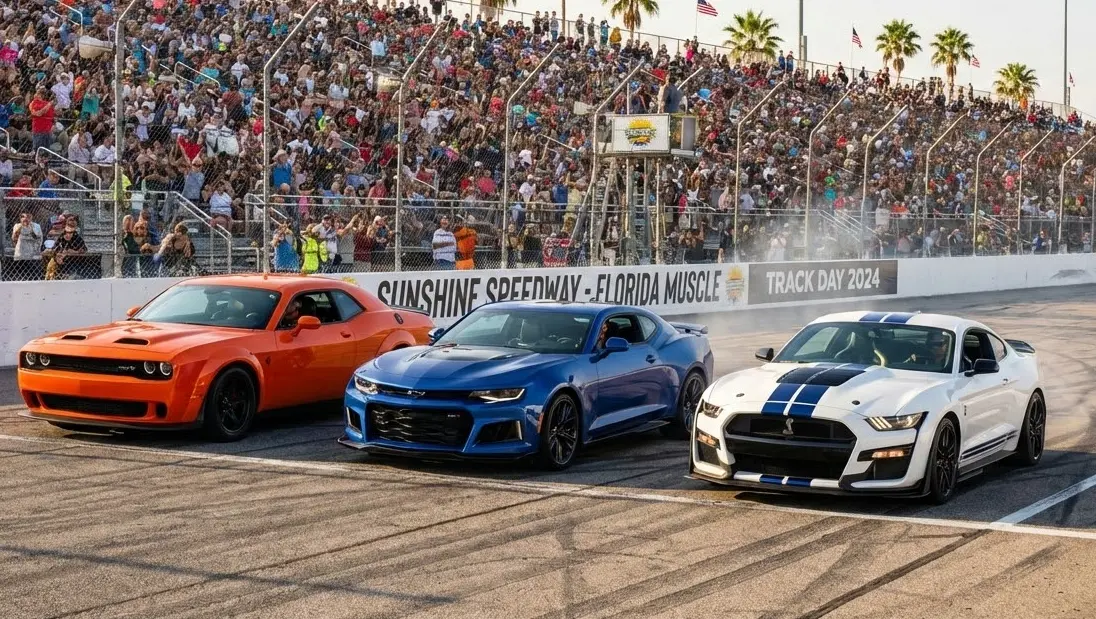
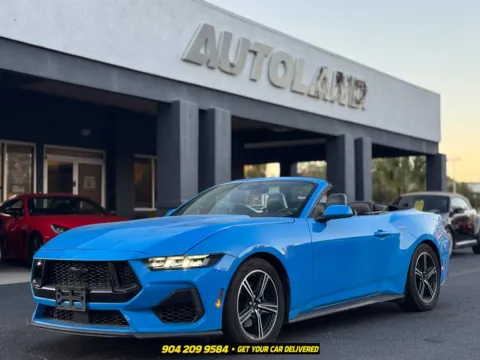
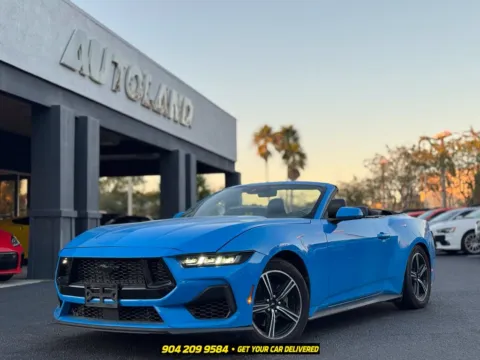
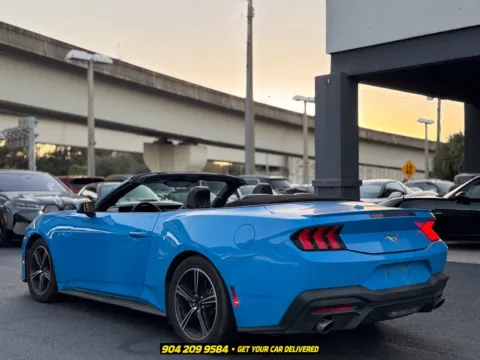
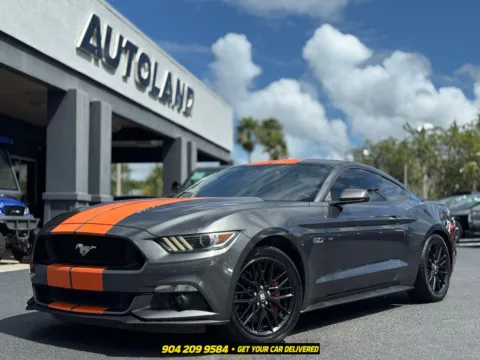
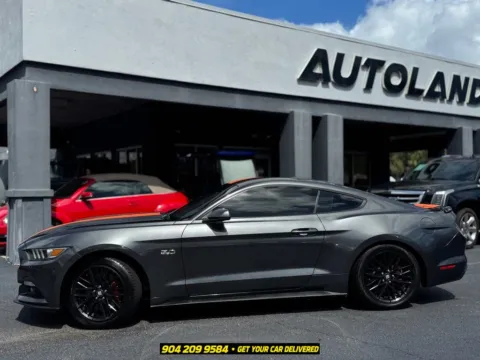
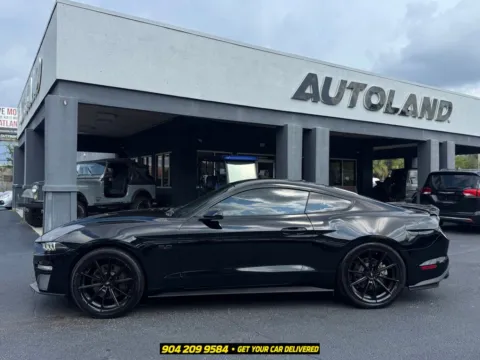
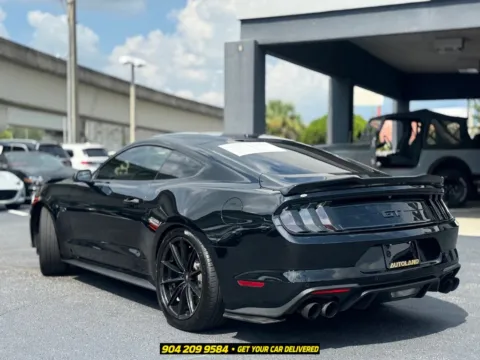
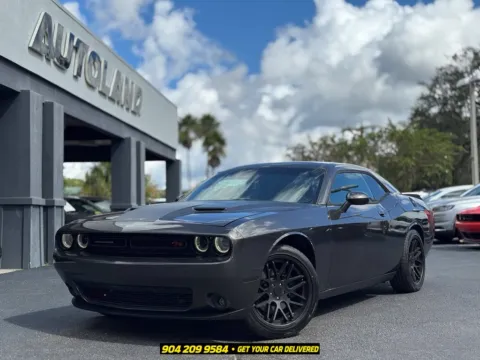
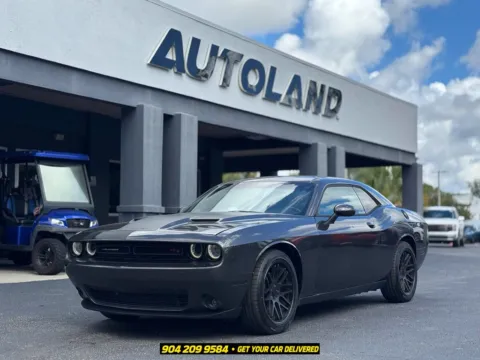
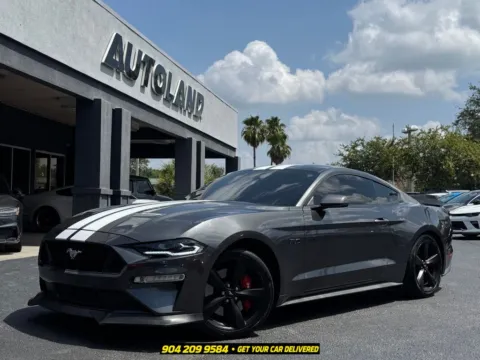
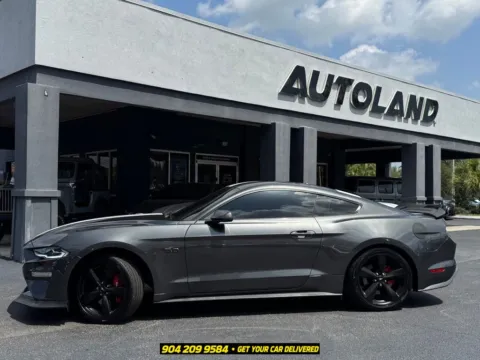
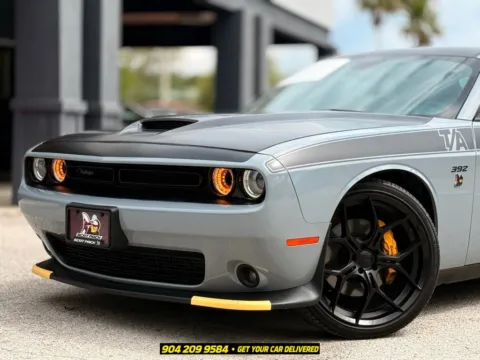
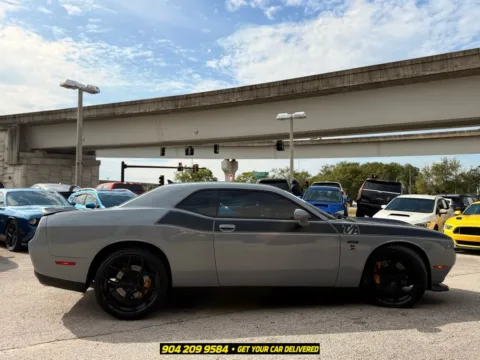
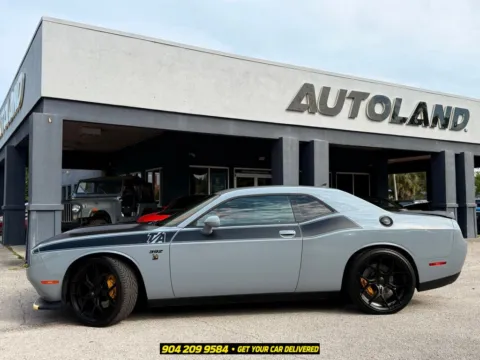
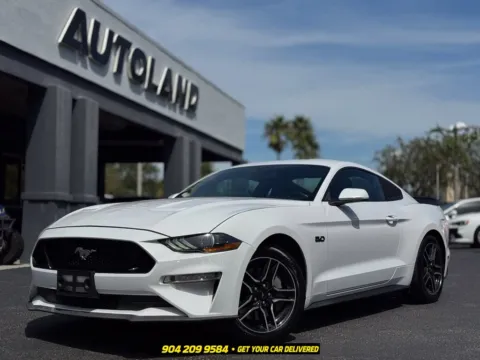
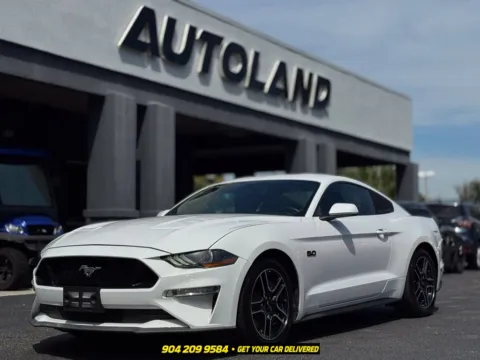
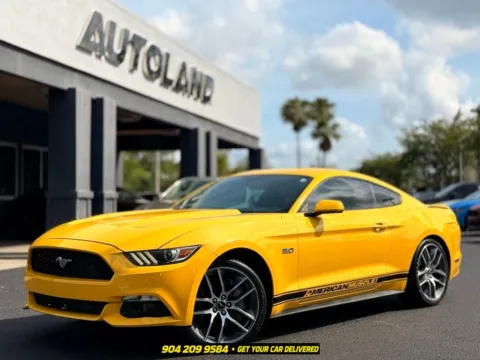
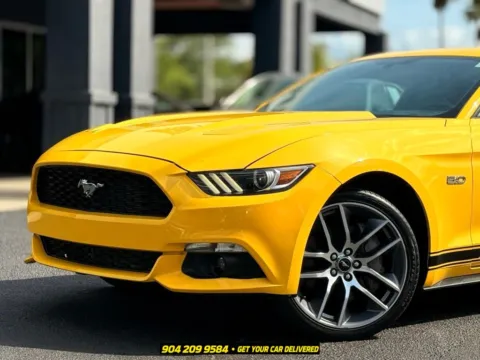
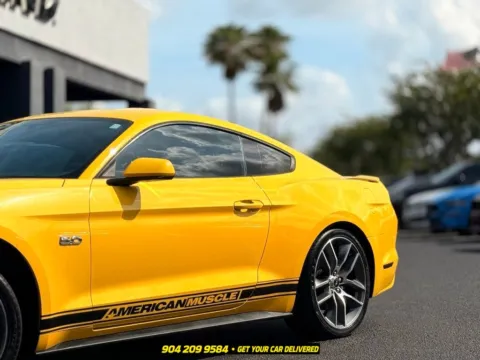
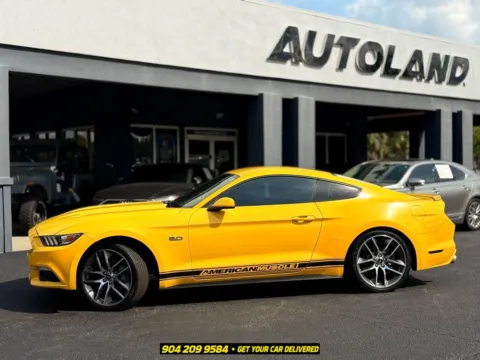
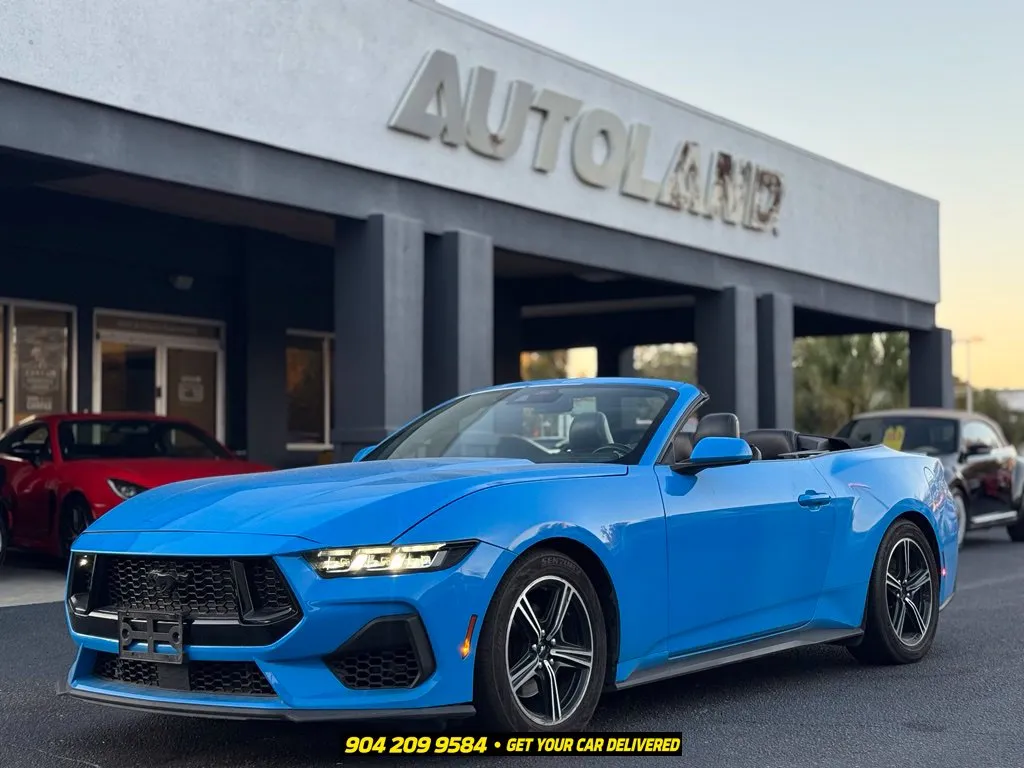
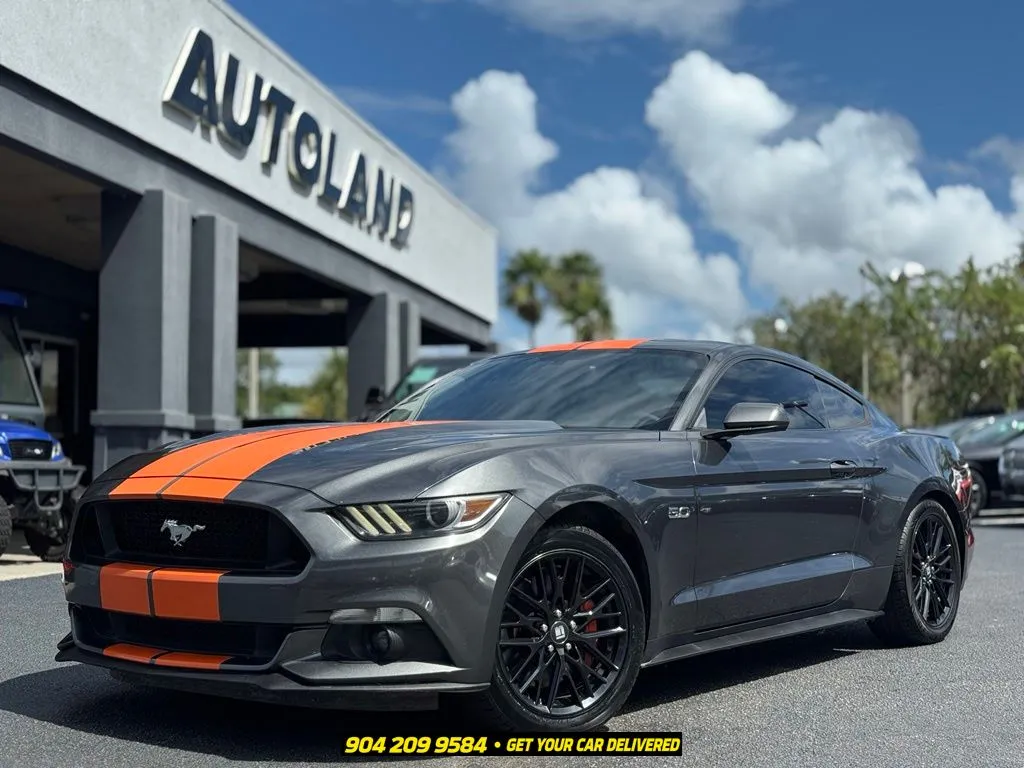
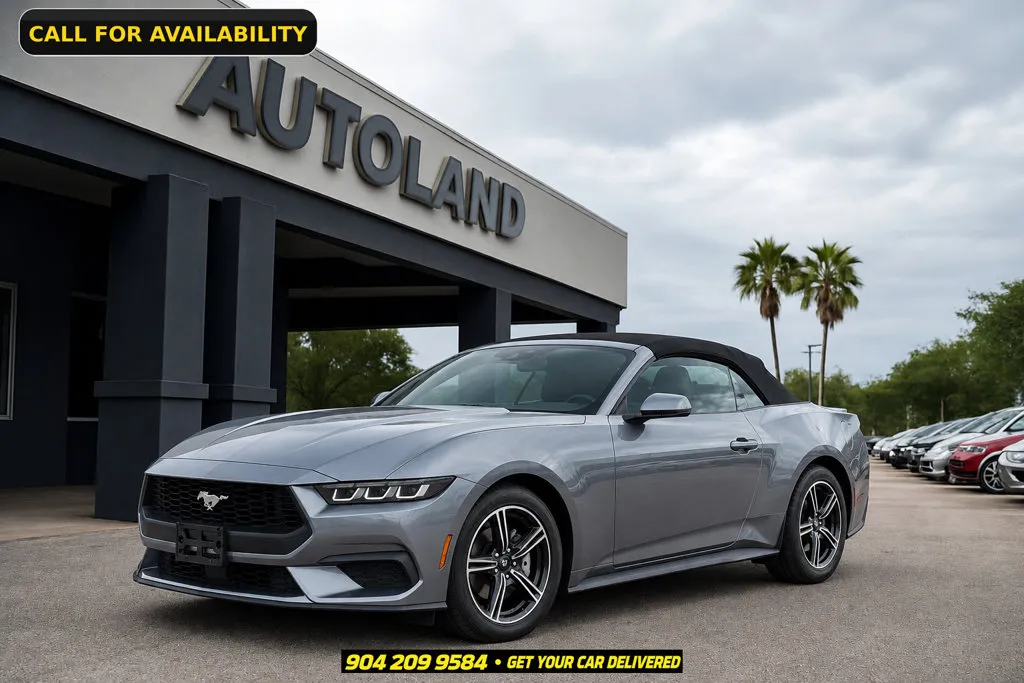
If you have a passion for unbridled performance and iconic looks, discover the used muscle cars near you available at Autoland Jacksonville. Every vehicle embodies a heritage of power, superior craftsmanship, and a distinctive aura, perfectly suited to demonstrating American automotive might.
A muscle car is typically a mid-size or full-size vehicle made in the USA, featuring a powerful V8 engine, rear-wheel drive, and more-or-less affordable price. These models were built for straight-line performance rather than cornering, emphasizing maximum power and acceleration. Beyond this, muscle cars became enduring symbols of freedom, speed, and the American Dream.
These bold, powerful, and aggressive icons rose to fame in the 1960s and continue to inspire admiration among Florida car lovers today. In this article, Autoland's automotive practitioners clarify what modern muscle cars are and trace their evolution from their origins.
Modern muscle cars in Florida: Power and technology
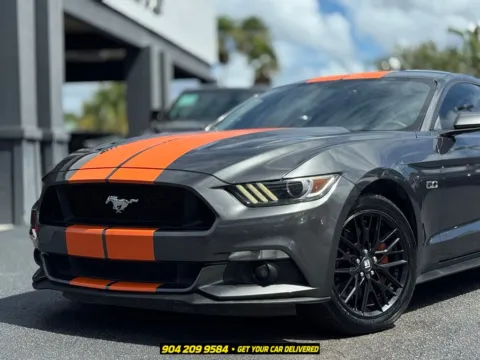
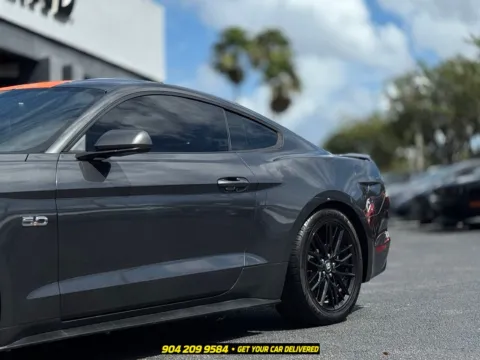
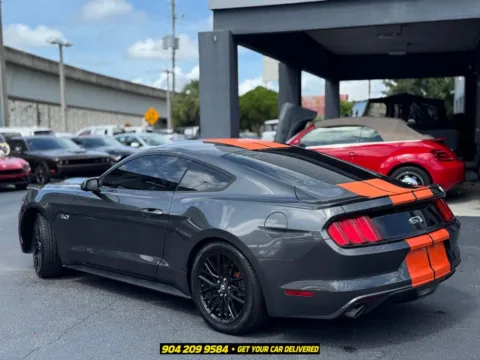
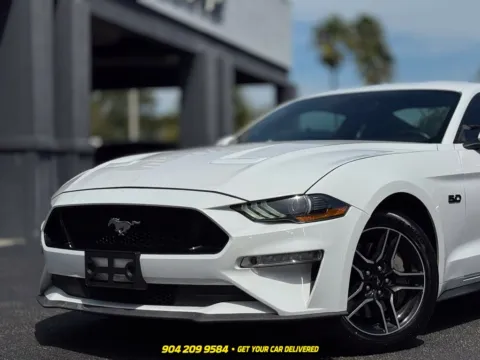
Modern American muscle cars deliver raw power and cutting-edge technology, with classic styling refined for the 21st century. They retain the spirit of their 1960s predecessors but deliver levels of comfort, safety, and sophistication never seen before:
- Turbocharged or supercharged engines with immense horsepower;
- Lightweight aluminum and carbon-fiber construction for agility;
- Advanced driver-assistance systems and electronic control;
- Designs inspired by vintage legends but sharpened for the modern age.
At the Autoland Jax used car dealership, customers can find the sport models at an affordable price:
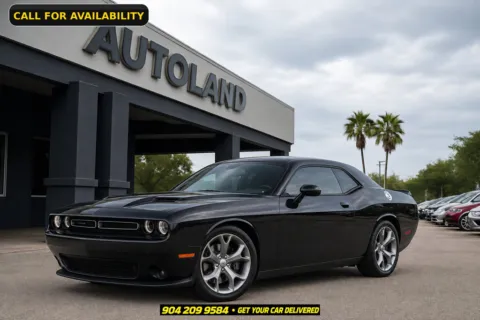
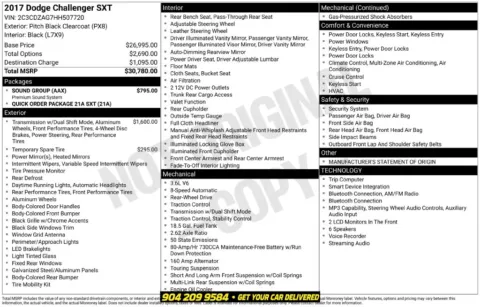
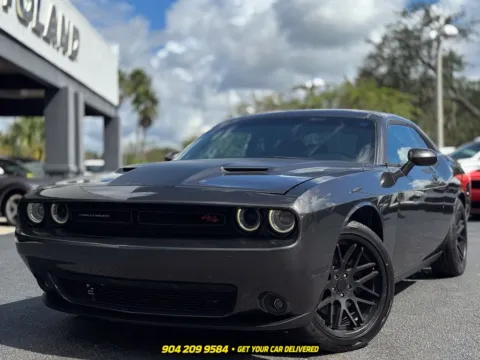
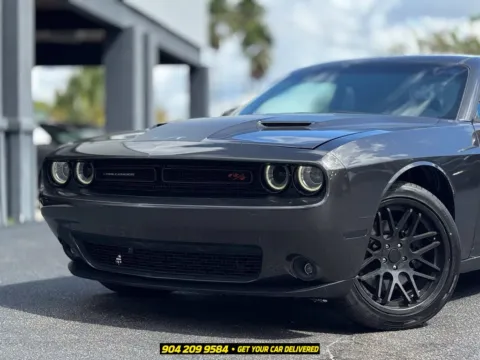
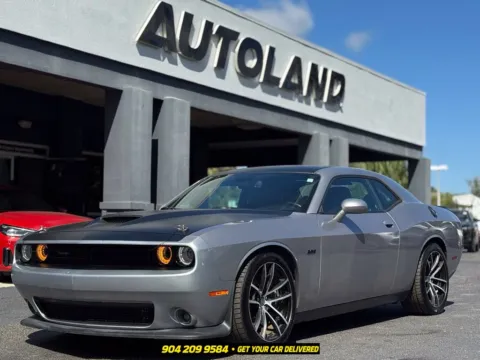
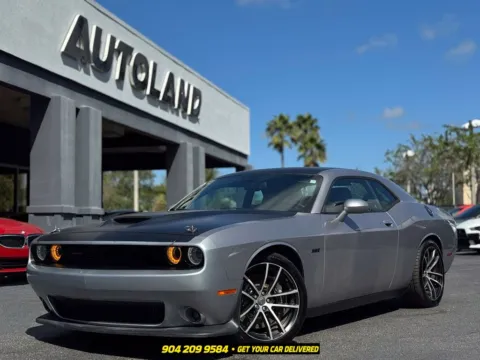
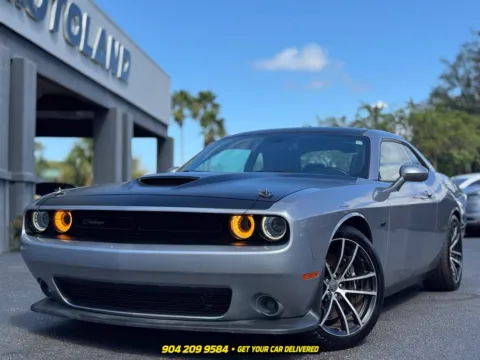
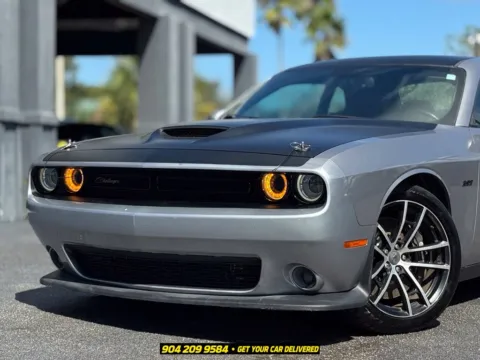
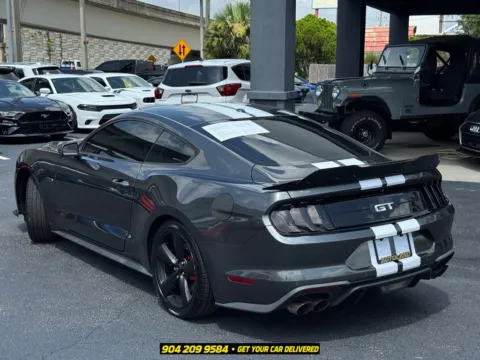
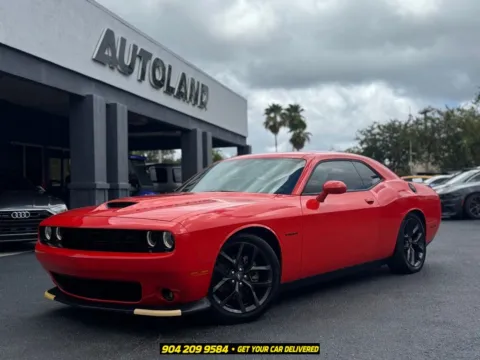
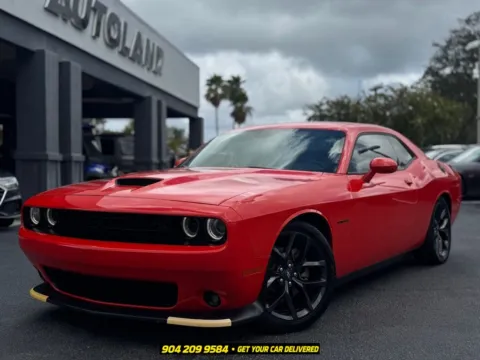
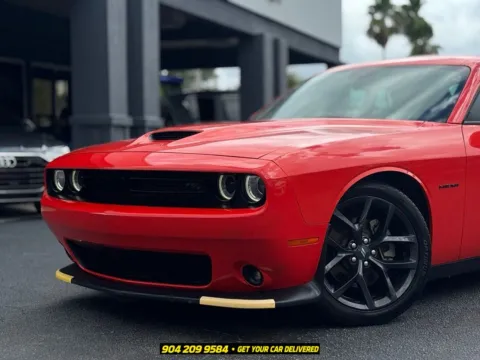
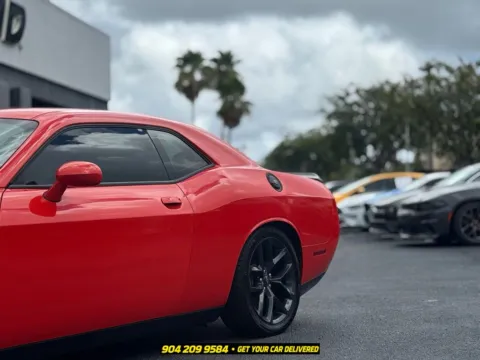
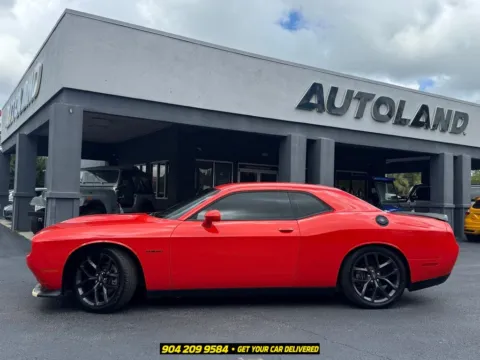
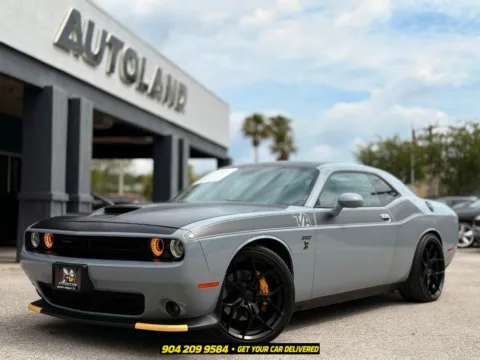
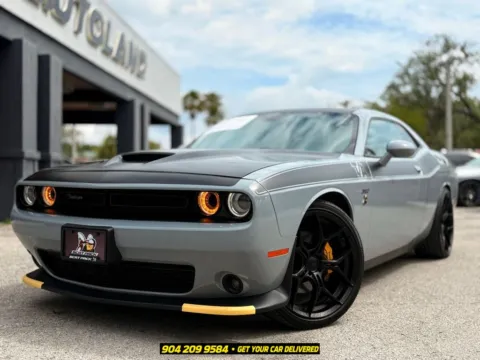
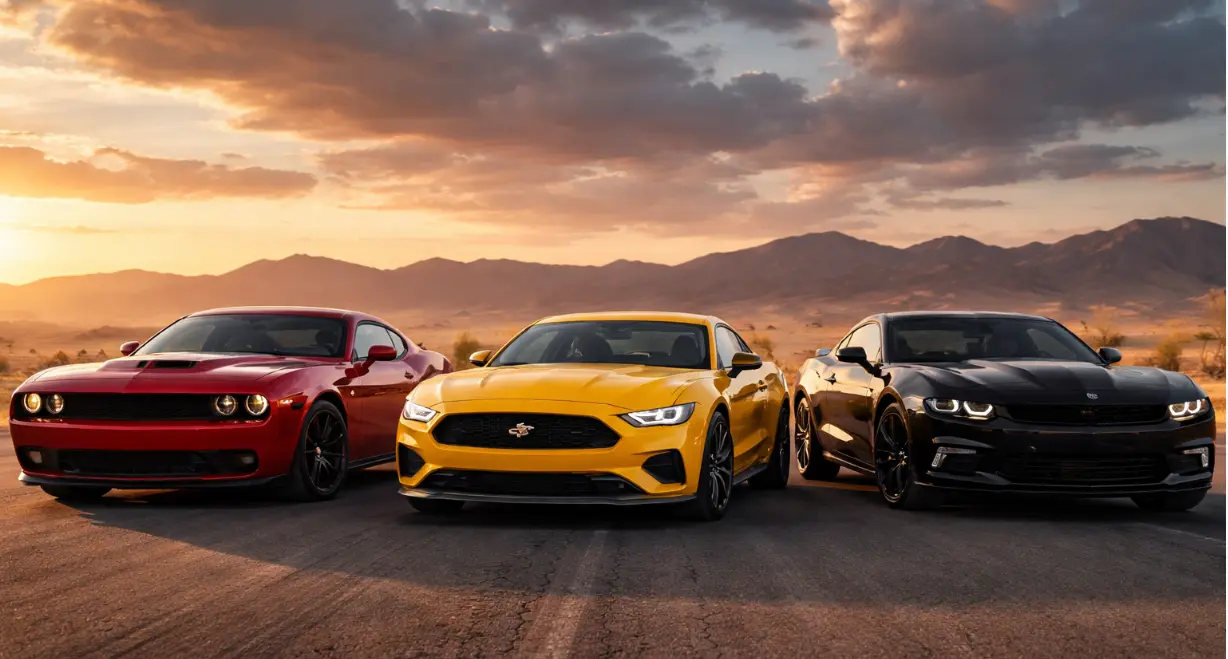
- Dodge Challenger SRT Hellcat. A supercharged V8 with over 700 horsepower - a modern tribute to old-school muscle.
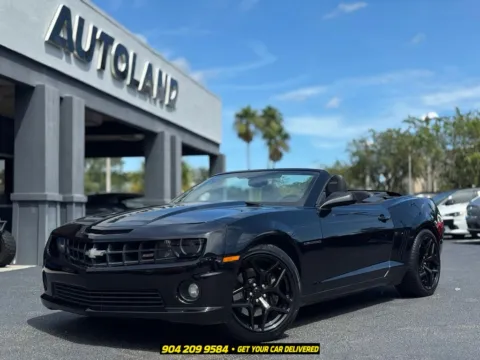
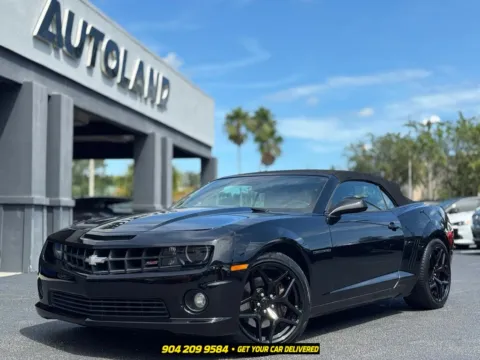
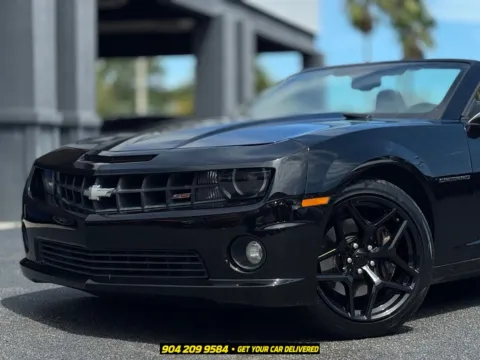
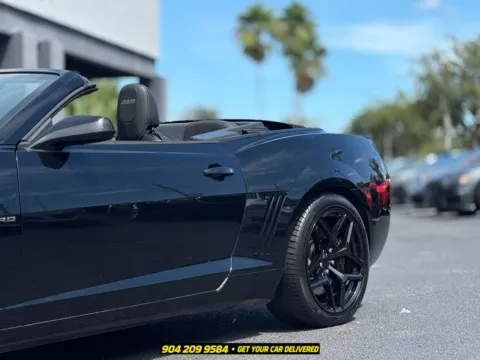
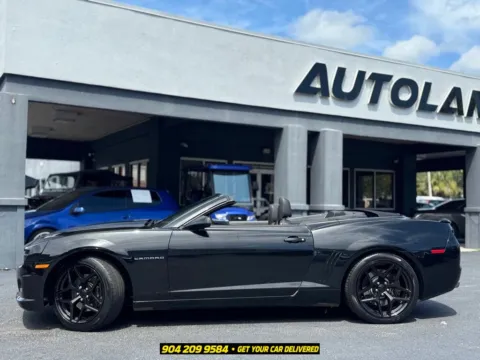
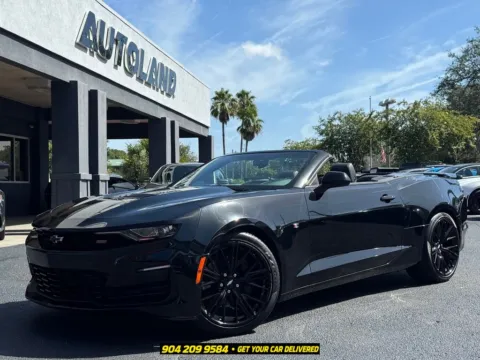
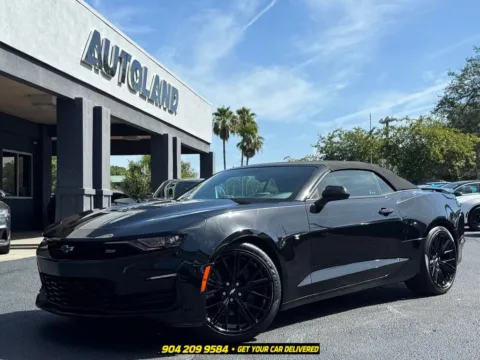
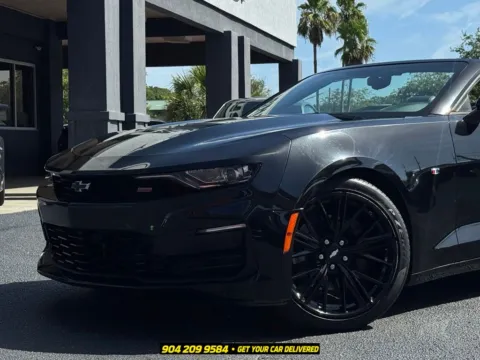
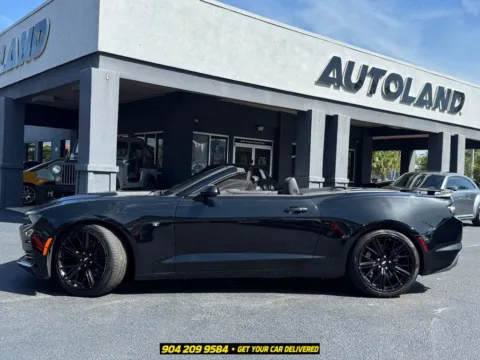
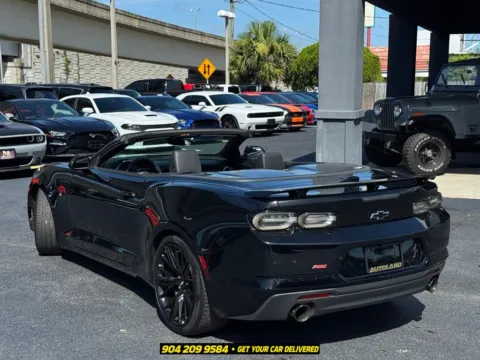
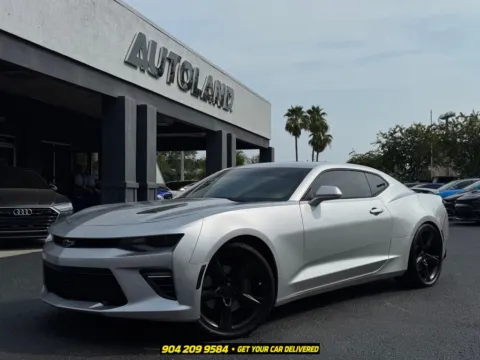
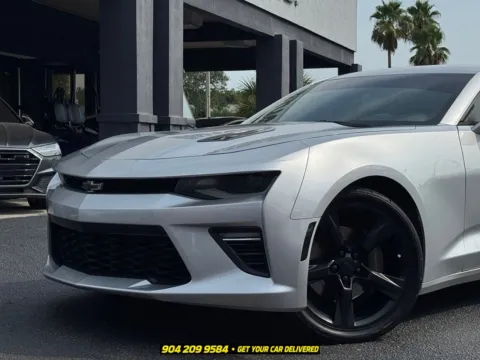
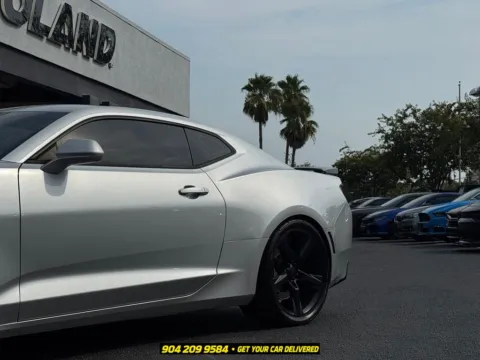
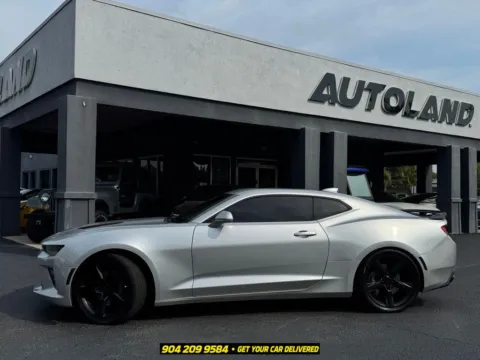
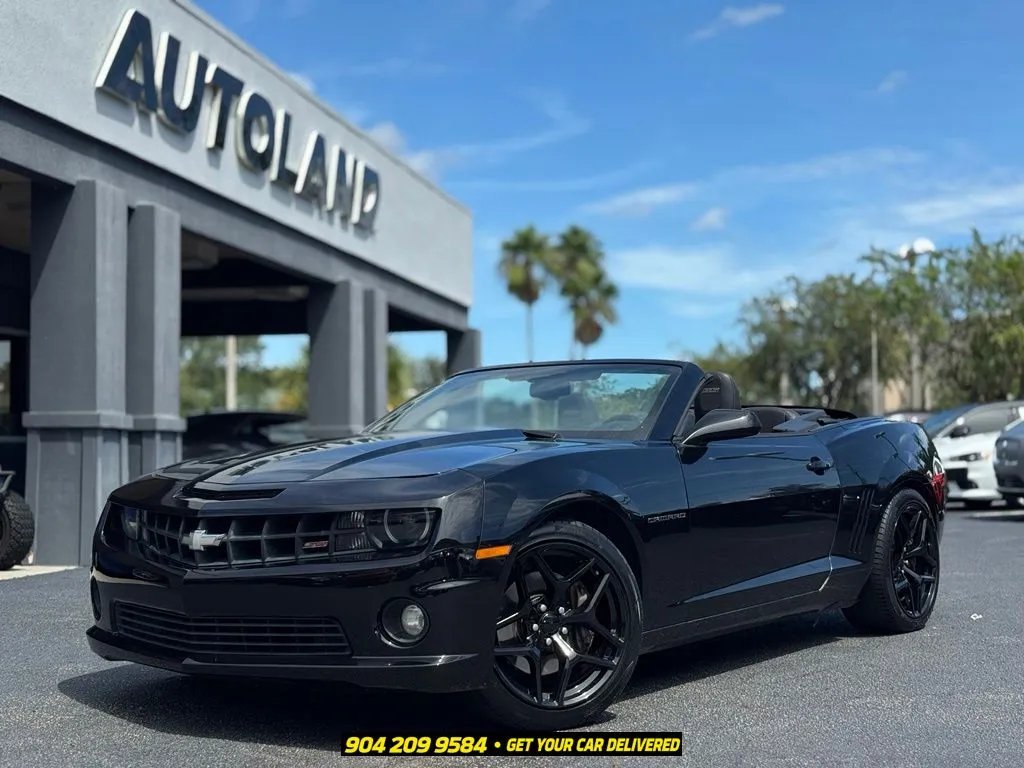
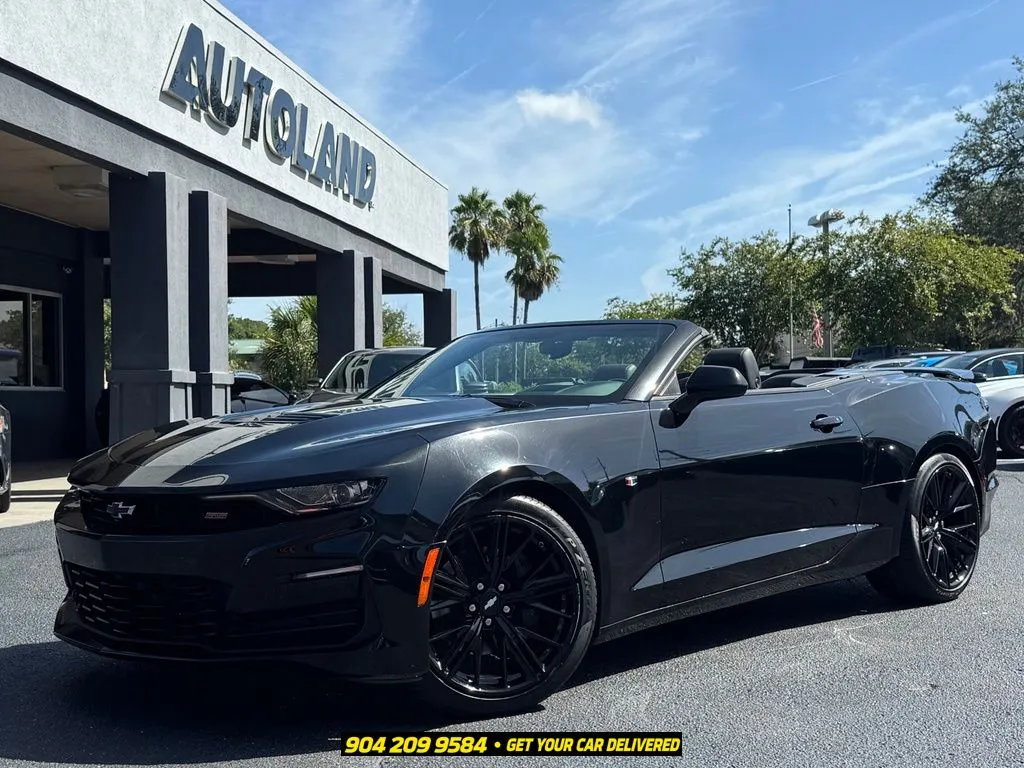
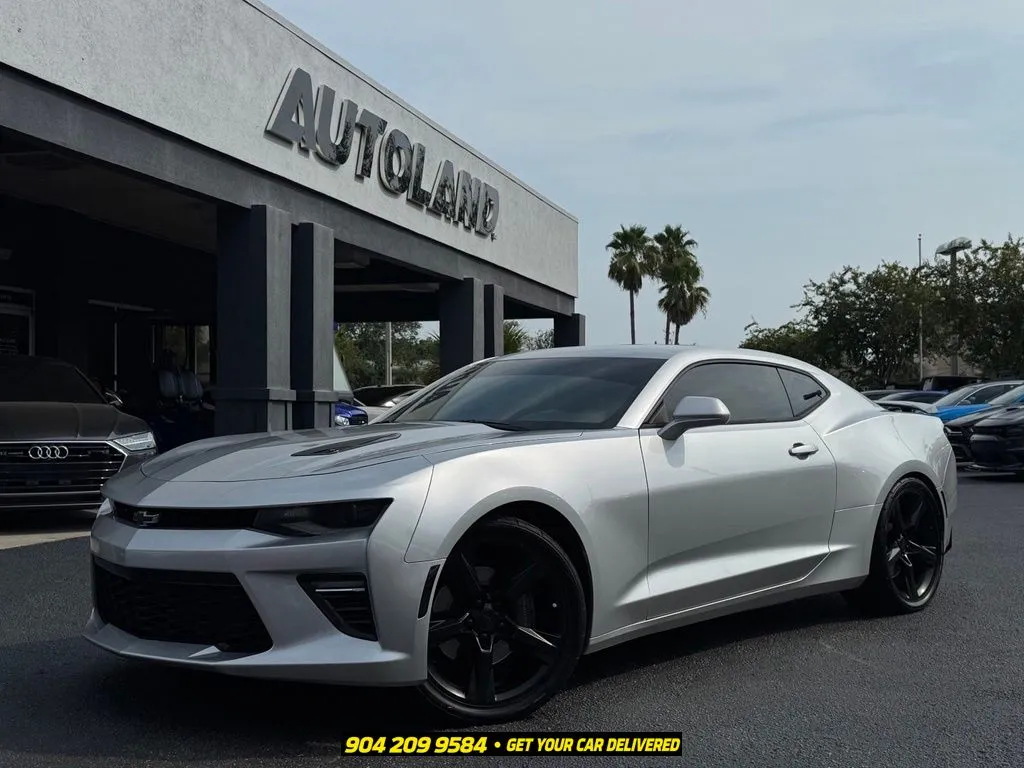
- Chevrolet Camaro. A sleek mix of power and precision, offering up to 650 horsepower.
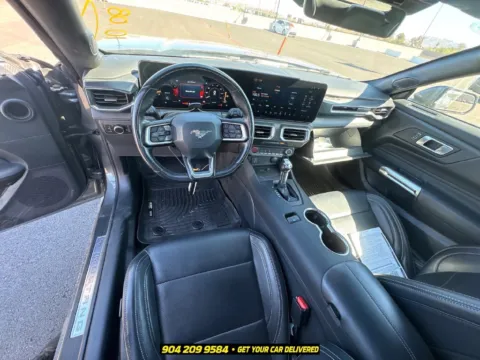
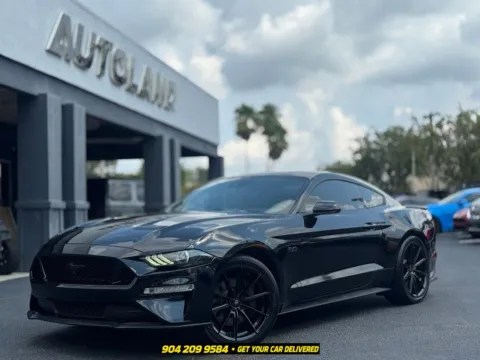
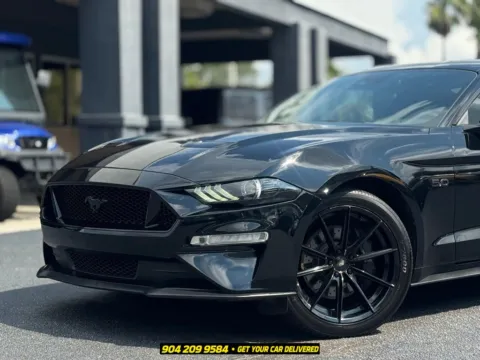
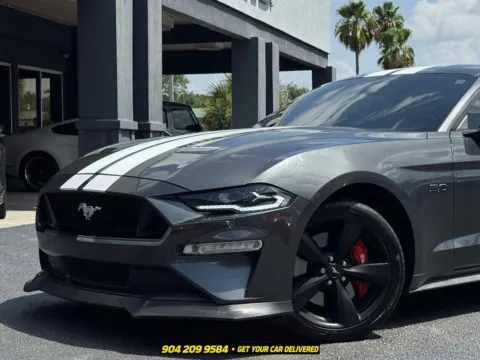
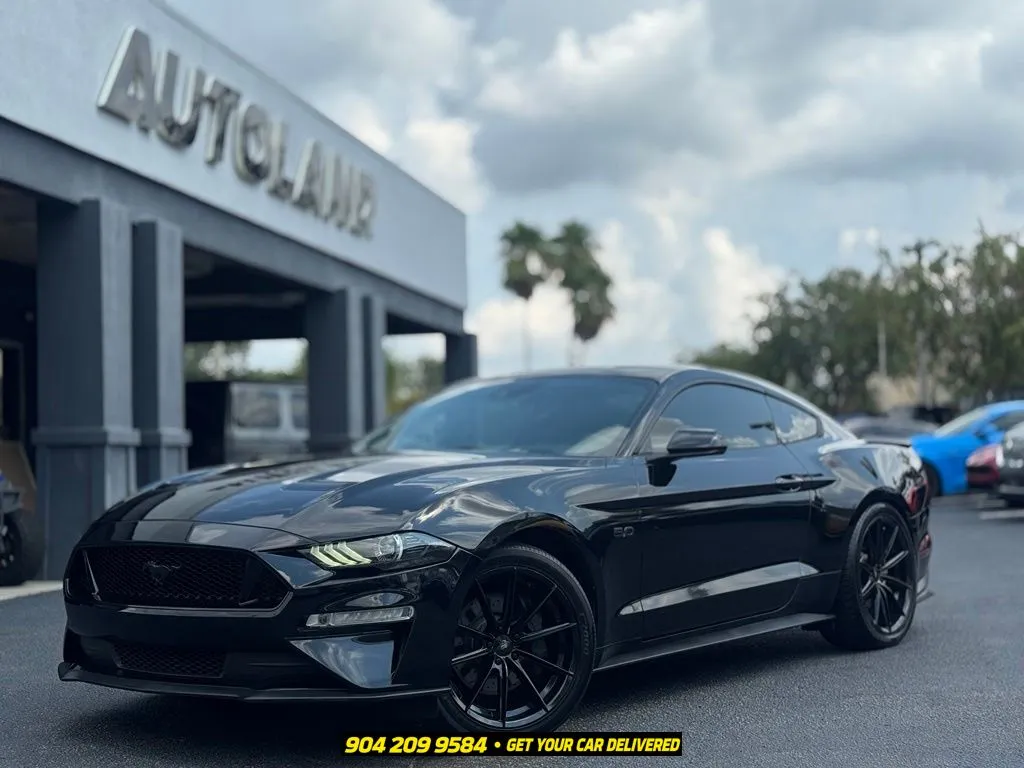
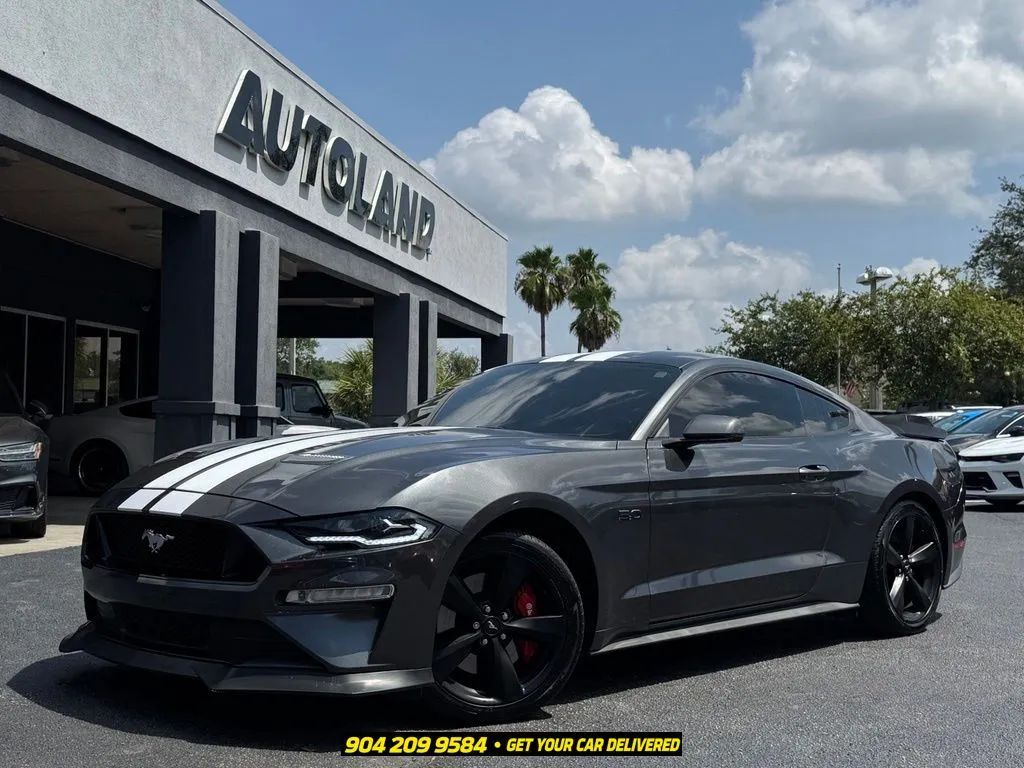
- Ford Mustang Shelby GT500. The ultimate evolution of Ford performance with 760 HP and sophisticated handling systems.
What are electric muscle cars?
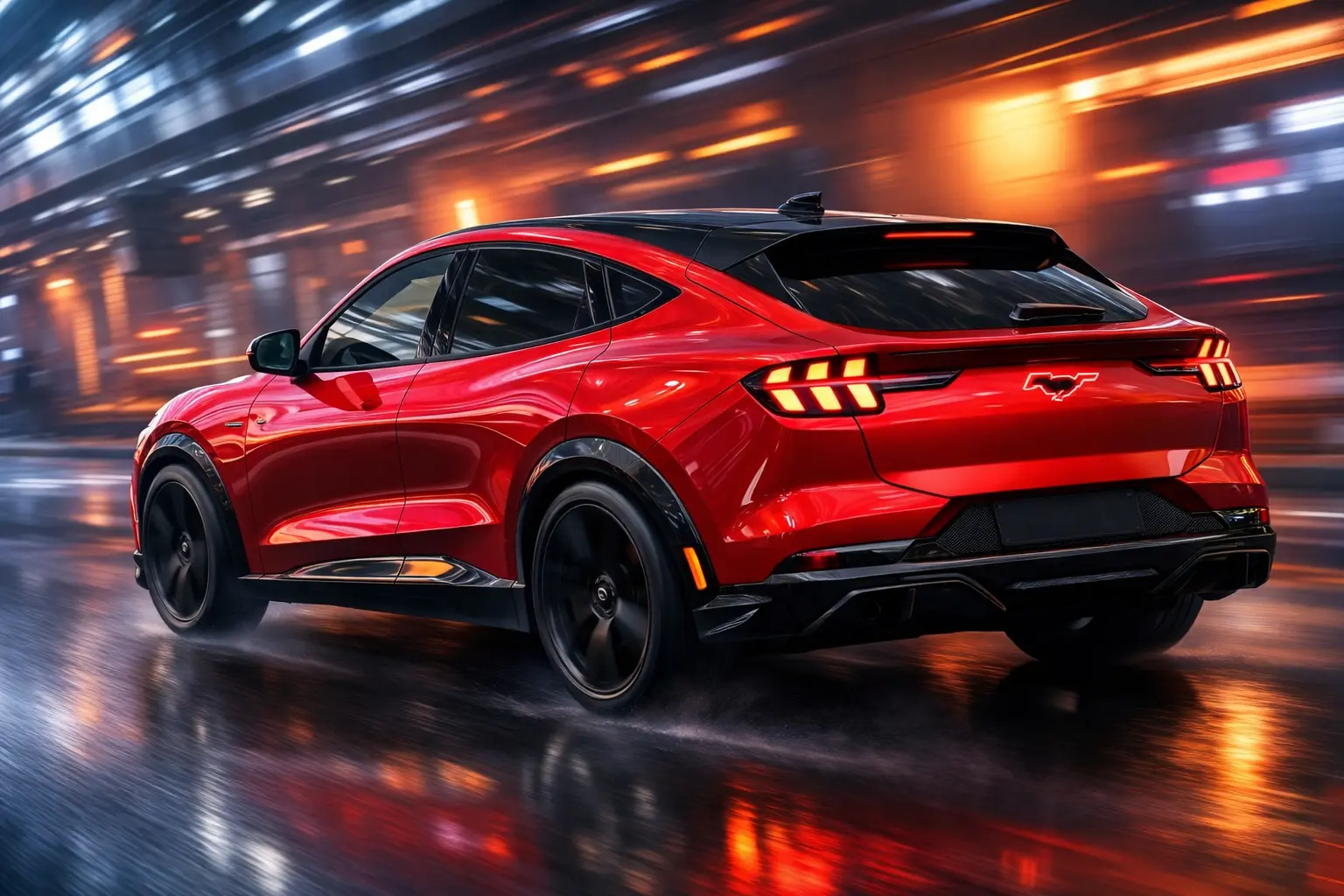
With electrification reshaping the industry, some automakers are developing high-performance electric muscle cars. The electric Mustang concept, for instance, demonstrates that performance and sustainability can coexist, ushering in a new chapter in muscle car evolution.
The origins of American muscle cars
The story of classic muscle cars began in the mid-20th century when automakers started experimenting with installing high-performance engines in standard passenger vehicles. The term “muscle car” emphasizes their defining trait: exceptional power in a relatively compact, accessible design.
Why the United States?
Following World War II, the U.S. experienced an economic boom. American younger drivers wanted cars that were not just practical but also bold, stylish, and thrilling to drive. With its thriving automotive industry and deep-rooted love of speed, America became the perfect birthplace for the muscle car.
What was the first classic muscle car?
One of the earliest precursors to the muscle car was the Oldsmobile Rocket 88 (1949). Equipped with a strong V8 engine, it became one of the fastest cars of its era and a favorite among racing enthusiasts. The Rocket 88 laid the groundwork for future iconic models, but the true muscle car boom ignited in the 1960s.
What role did racing play in American muscle car development?
Motorsport, especially NASCAR and drag racing, played a crucial role in popularizing muscle cars. Manufacturers began applying racing technology to street cars, ushering in an era where power and speed defined automotive ambition.
How does Florida's climate impact classic muscle cars?
High humidity and salt air accelerate underbody rust on pre-1970 muscle cars such as Chargers and Mustangs, so prioritize regular washes, rustproofing sprays, and garage storage to preserve quarter panels, frames, and other parts from corrosion.
What are Florida's emissions and mod rules for muscle cars?
Pre-1975 pony cars and classics: Dodge emissions testing is statewide, while later models may require testing in areas such as Jacksonville and Miami-Dade. Street-legal headers, intakes, and suspension tweaks thrive at cruise-ins and drag strips.
What are Florida's top roads for muscle car cruising?
Cruise A1A's coastal scenic routes or inland gems mimicking Mulholland Drive, where throaty V8 exhaust notes from Camaros and Corvettes shine without heavy speed enforcement, embodying classic American muscle car freedom.
Are muscle cars a smart investment in Florida?
Absolutely yes, documented big-block muscle cars like Hemi-equipped machines appreciate steadily, but demand verification to avoid overpaying; Florida's vibrant car shows and cruise-ins boost demand for high-performance icons.
What key questions should I ask before buying a muscle car in Florida?
Always verify matching numbers on engines and transmissions, check for rust from humid coastal air, review full restoration docs, and inspect VINs for authenticity on gems like GTOs or Road Runners. Florida's car dealers, such as Autoland Jax, offer high-end, sporty muscle cars in Jacksonville.
The golden era of American muscle cars: The 1960s
The 1960s marked the golden age of classic muscle cars. Legendary automakers like Ford, Chevrolet, Dodge, and Pontiac competed fiercely to create the most powerful and stylish rides ever built.
Iconic Models of the 1960s are:
- Pontiac GTO (1964). Often hailed as the first true muscle car, it featured a 6.4L V8 engine and became the blueprint for performance design.
- Ford Mustang (1964). Technically a pony car, the Mustang’s GT versions embodied muscle car spirit - freedom and youthful rebellion on four wheels.
- Chevrolet Camaro (1966). Born as a formidable rival to the Mustang, the Camaro’s powerful engines and bold design made it an instant hit.
- Dodge Charger (1966). Immortalized in film and TV, the Charger became an American cultural icon, beloved for its performance and commanding look.
The muscle cars of the 1960s had such distinctive features as:
- High-performance V8 engines delivering thrilling acceleration;
- Affordable prices that appealed to young drivers;
- Long hoods, short rear decks, and aggressive styling;
- Built for straight-line speed and drag racing dominance.
Muscle cars of this era were more than machines - they were attitude on wheels. They symbolized rebellion, rock ‘n’ roll, and unrestrained individuality, firmly embedding themselves in American pop culture.
The 1970s: The end of a golden era
The 1970s brought new challenges. The oil crisis, rising fuel costs, and stricter emissions standards forced automakers to scale back power and size. Many beloved models were discontinued entirely or toned down, now featuring:
- Reduced engine outputs due to new environmental laws.
- First catalytic converters and emission systems.
- Greater focus on comfort and fuel efficiency.
The brightest examples from the 1970s are:
- Chevrolet Nova. Redesigned for efficiency, but lost much of its former edge.
- Ford Mustang II. Smaller and less powerful, it represented the industry’s changing priorities.
Despite these setbacks, muscle cars remained part of the American identity, remembered in films, songs, and nostalgia for an era defined by unrestrained horsepower.
The 1980s and 1990s: A revival of interest
Interest in classic muscle cars returned in the 1980s and 1990s as automakers found new ways to balance efficiency and performance. Power began to rise again without sacrificing control or comfort thanks to advancing technolgy. Enhanced aerodynamics for better speed and stability. Notable models of this period are:
- Ford Mustang GT (1980s). Modern styling and renewed performance restored its fame.
- Chevrolet Camaro IROC-Z (1980s). A performance icon of the decade, celebrated for its track-ready V8 power.
- Dodge Charger (1990s). Reintroduced with a stronger design and performance revival.
American muscle cars for connoisseurs in Jacksonville
For those seeking exhilarating performance and timeless aesthetics, Autoland Jacksonville offers a selection of pre-owned muscle cars. These vehicles embody a rich history, exceptional artistry, and a commanding presence, making them ideal for admirers of American automotive power.
Schedule a test drive at Autoland Jacksonville today to feel the roar, experience the legends, and drive home your muscle car.