AWD vs. 4WD: What’s the Difference?
Table of Contents
- All Wheel Drive explained
- Full-time 4WD explained
- 4WD vs. AWD: Advantages and limitations
- The role of All Wheel Drive: designed for control and safety
- Efficiency and lightness of modern AWD systems compared to 4WD
- How modern AWDs distribute power
- Haldex Coupling
- Viscous Coupling
- Torsen Differential
- Electromagnetic differential lock
- SH-AWD: Precision and performance
- Real-world performance and limitations
- AWD vs. 4WD: Which should you choose?
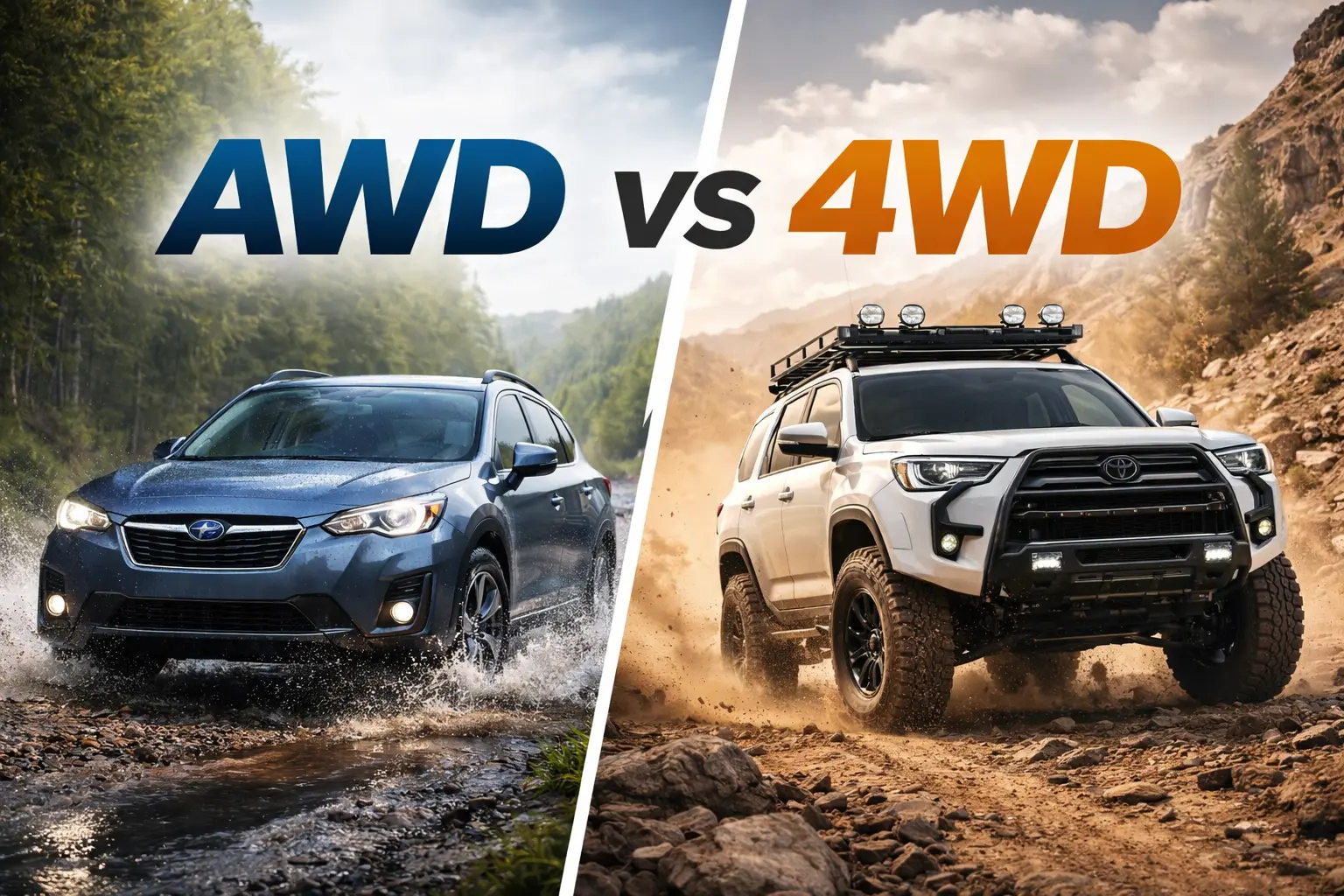
When you encounter the abbreviations AWD and 4WD, you can tell they both refer to vehicles with all four wheels powered. The main difference is that AWD (All Wheel Drive) usually works automatically all the time, varying how much power goes to each axle for better traction and handling. While 4WD (Four Wheel Drive) is typically a system that the driver can turn on or off when needed. 4WD is designed for tough off-road use, often locking the front and rear axles together and sometimes adding low-range gearing for maximum traction.
Yet, even experienced drivers sometimes use these terms interchangeably, though they describe different systems. With the technicians from Autoland Jacksonville, let’s explore 4WD and AWD systems to compare and decide which suits you best.
All Wheel Drive explained
An all-wheel drive (AWD) system is a drivetrain that can send engine power to all four wheels to improve traction, especially on slippery or mixed surfaces. AWD is mostly used for on-road stability and light off-road or bad-weather driving, not hardcore off-roading.
There are two main styles of AWD. Some cars use full-time AWD, where all four wheels are driven all the time with a built-in split between the front and rear. Others use on‑demand AWD, which normally runs in front- or rear‑wheel drive and automatically sends power to the other axle only when the system senses wheel slip to save fuel.
Full-time 4WD explained
In a full-time 4WD system, a center differential is added to balance power between axles. Depending on design, this differential can function in several ways:
- Freewheeling: Torque automatically flows to the axle with the least grip.
- Automatic locking: Both axles engage when the system detects poor traction on the road.
- Manual locking: You can engage or disengage the axles, creating a type of part-time AWD.
These systems prioritize durability and off-road strength, though that extra capability comes with added weight and mechanical complexity.
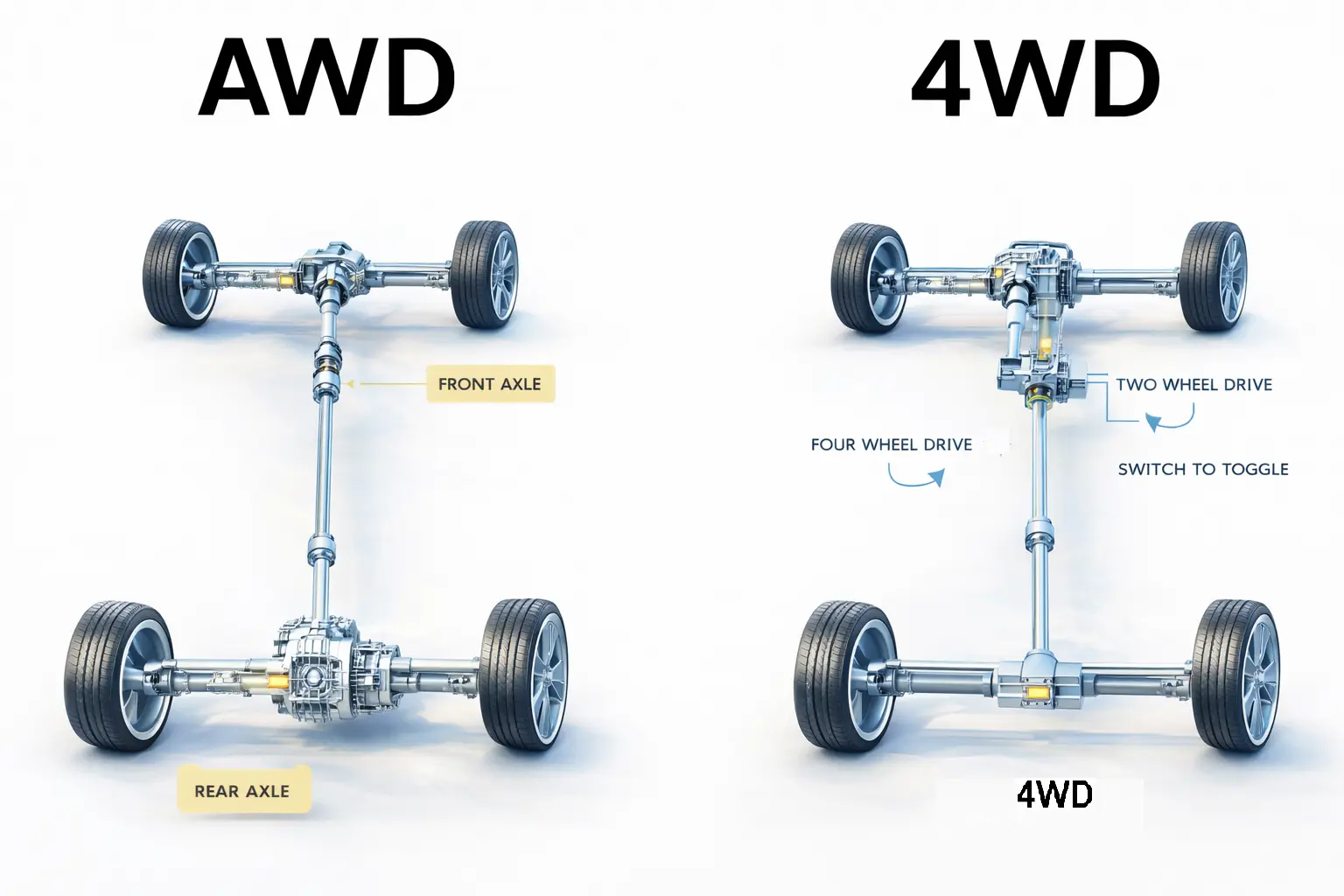
- AWD normally sends power to either the front or rear axle, then automatically distributes power to all 4 wheels when it senses a loss of traction.
- 4WD uses a driver‑selected switch that lets you choose between two‑wheel drive and four‑wheel drive modes based on road conditions.
4WD vs. AWD: Advantages and limitations
Four-wheel drive systems have clear strengths, but they also come with compromises. Mechanically, 4WD setups are heavier, often exceeding 200 pounds, compared to similar AWD systems. Vehicles with manually engaged 4WD require the driver to activate the system, often by stopping the vehicle first, when conditions deteriorate or when venturing off-road. That’s less convenient than an automatically engaging AWD system.
For everyday driving, 4WD isn’t the most efficient choice. On paved roads, it can feel less refined, and its fuel economy usually lags behind AWD and two-wheel-drive vehicles. Yet, it shines when conditions get serious.
The benefits of 4WD include a neutral gear, which disengages both axles from the transmission when activated, making towing safer and easier. 4WD vehicles are also prized for their incredible towing capacity and ability to maintain traction in mud, snow, or over rocky terrain.
The role of All Wheel Drive: designed for control and safety
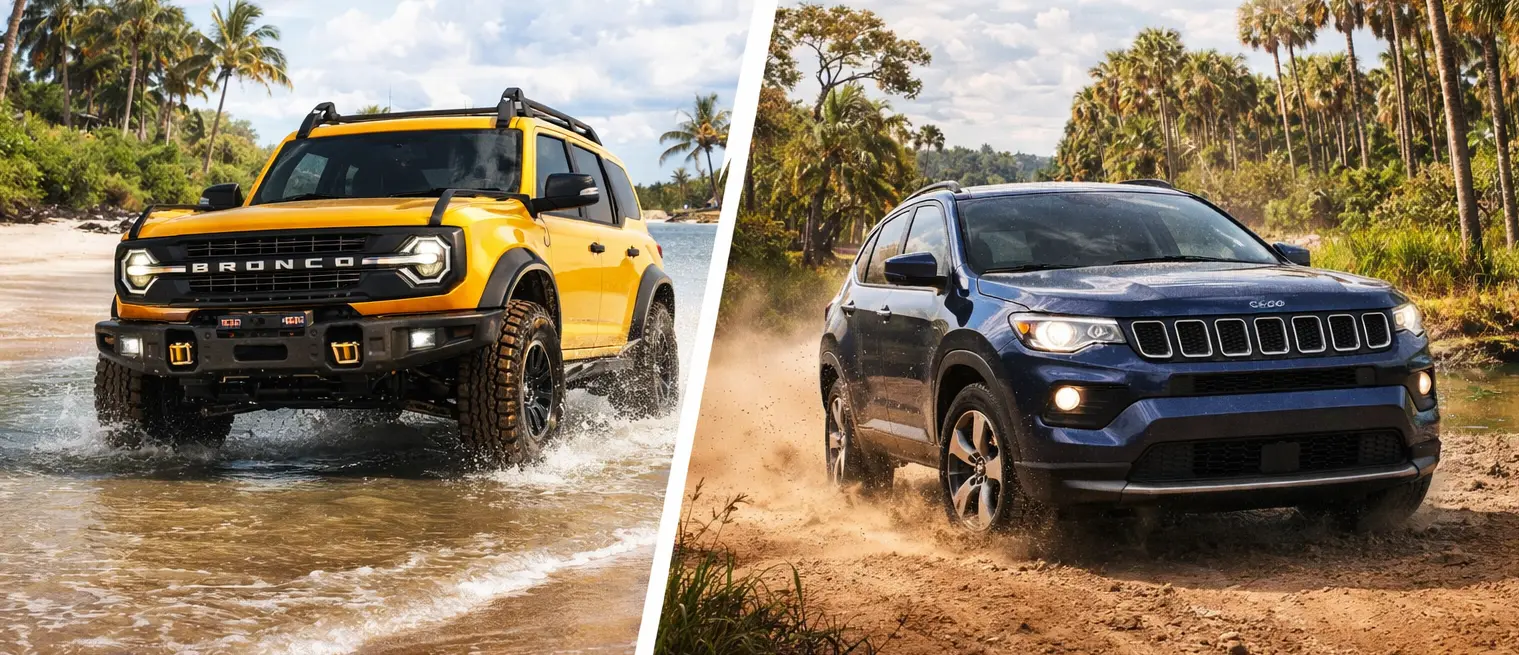
All-wheel drive (AWD) systems were primarily developed to handle adverse weather - rain, snow, or slippery road surfaces. In most cases, torque is sent to a single axle (usually the front), and the secondary axle only receives power when slippage is detected.
Today’s AWD systems do more than just improve safety. Automakers use them to fine-tune handling and stability in everything from family SUVs to high-performance cars. By adjusting torque distribution in real time, AWD boosts cornering grip and overall control.
A transfer case routes engine torque between axles, and in hybrids or electric models, separate electric motors may even power each axle individually.
Although that improves response and efficiency, hybrids aren’t the best for off-road use. As the battery drains, torque to the wheels decreases, reducing traction.
Efficiency and lightness of modern AWD systems compared to 4WD
An AWD layout with a driven front axle tends to be lighter and more efficient than 4WD systems. Many modern All Wheel Drive vehicles use automatically engaging mechanisms that can connect or disconnect the driveshaft between the axles in milliseconds when traction changes. By cutting drag when extra traction isn’t needed, this setup helps the car run more efficiently while still keeping all-wheel stability in reserve.
One of AWD’s key advantages over 4WD is day-to-day comfort. You can drive an AWD car year-round on paved roads without worrying about damaging its components or wearing out tires prematurely.
Careful torque management ensures smooth acceleration, consistent grip, and better driving dynamics.
How modern AWDs distribute power
Manufacturers use several types of center differentials and couplings to manage torque across axles. The most common systems include Haldex, viscous coupling, Torsen, and electromagnetic differential locks.
Haldex Coupling
The Haldex system, commonly found in Volkswagen, Audi, and Volvo vehicles, relies on electronics and hydraulics for instant torque distribution.
When sensors detect a discrepancy in wheel rotation speed, a hydraulic pump creates pressure that pushes clutch plates together, sending torque to the appropriate axle. The system reacts almost instantly, operating so smoothly that drivers rarely sense the transition.
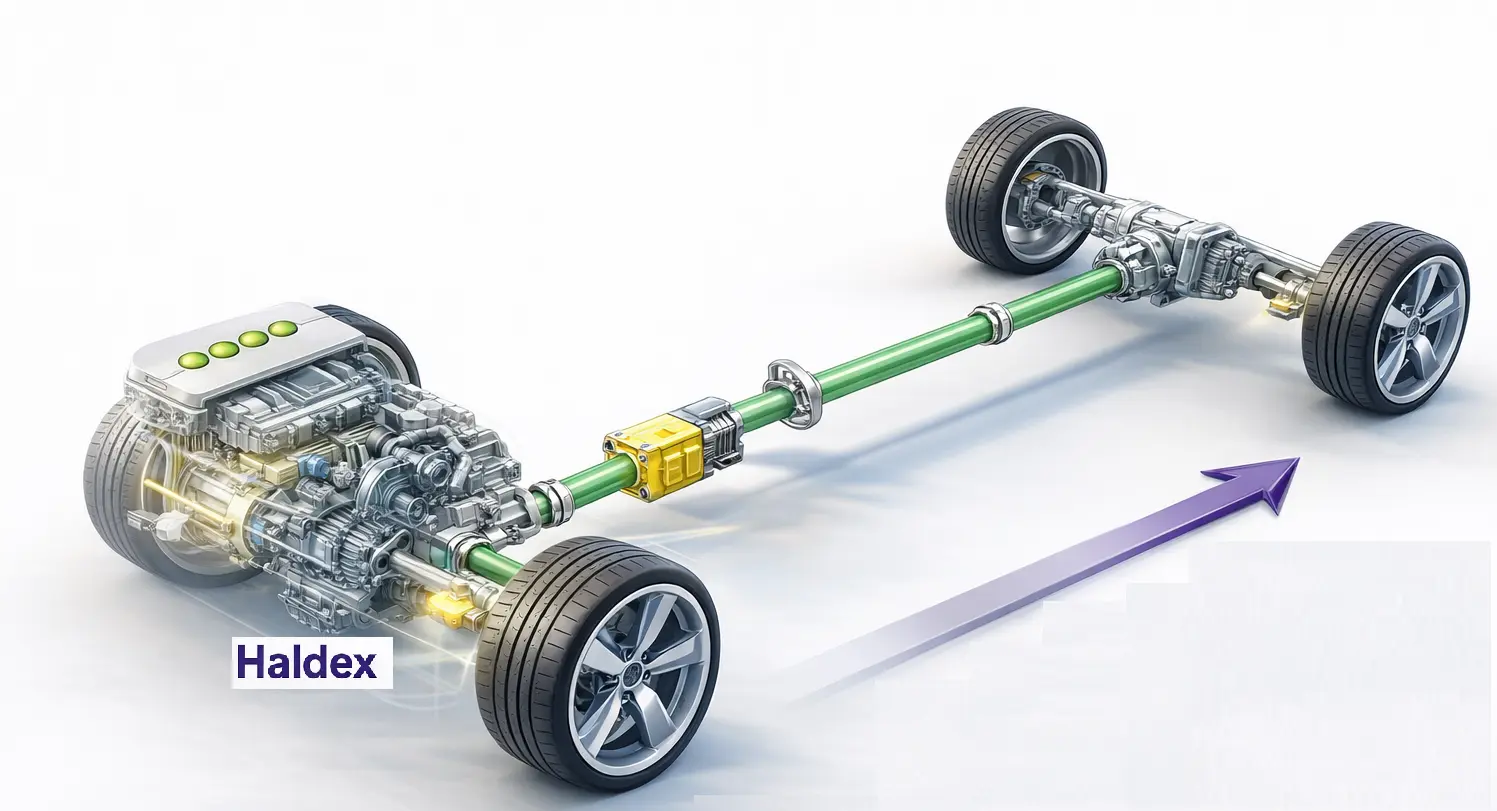
Autoland technicians note that under normal highway driving, Haldex runs in “slip mode,” transmitting minimal torque to the rear wheels.
This setup improves fuel efficiency without compromising readiness - torque is available within moments when needed for grip or acceleration.
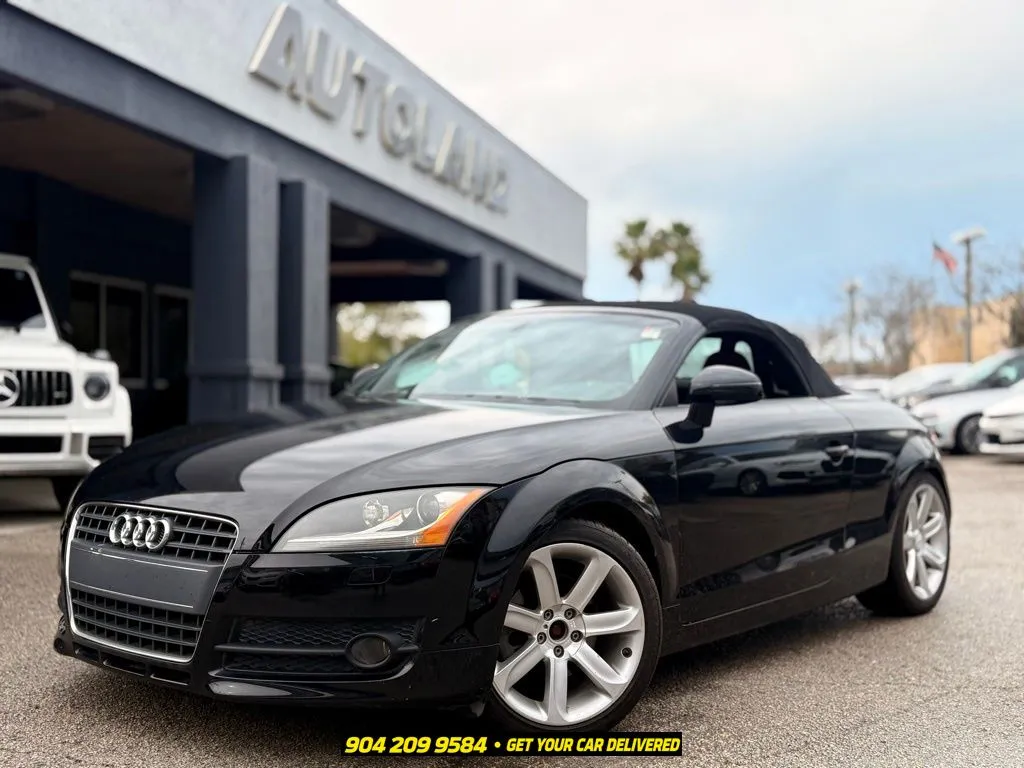
Originally launched on the 1998 Audi TT, this system has since been refined for high-performance vehicles like the Bugatti Chiron, Lamborghini Aventador LP 700-4, and everyday models such as the Ford Fusion and Buick Regal.
Viscous Coupling
The viscous coupling is one of the simplest AWD solutions. It uses a set of closely spaced discs, some connected to the front axle, others to the rear, enclosed in a sealed housing filled with a silicone-based fluid.
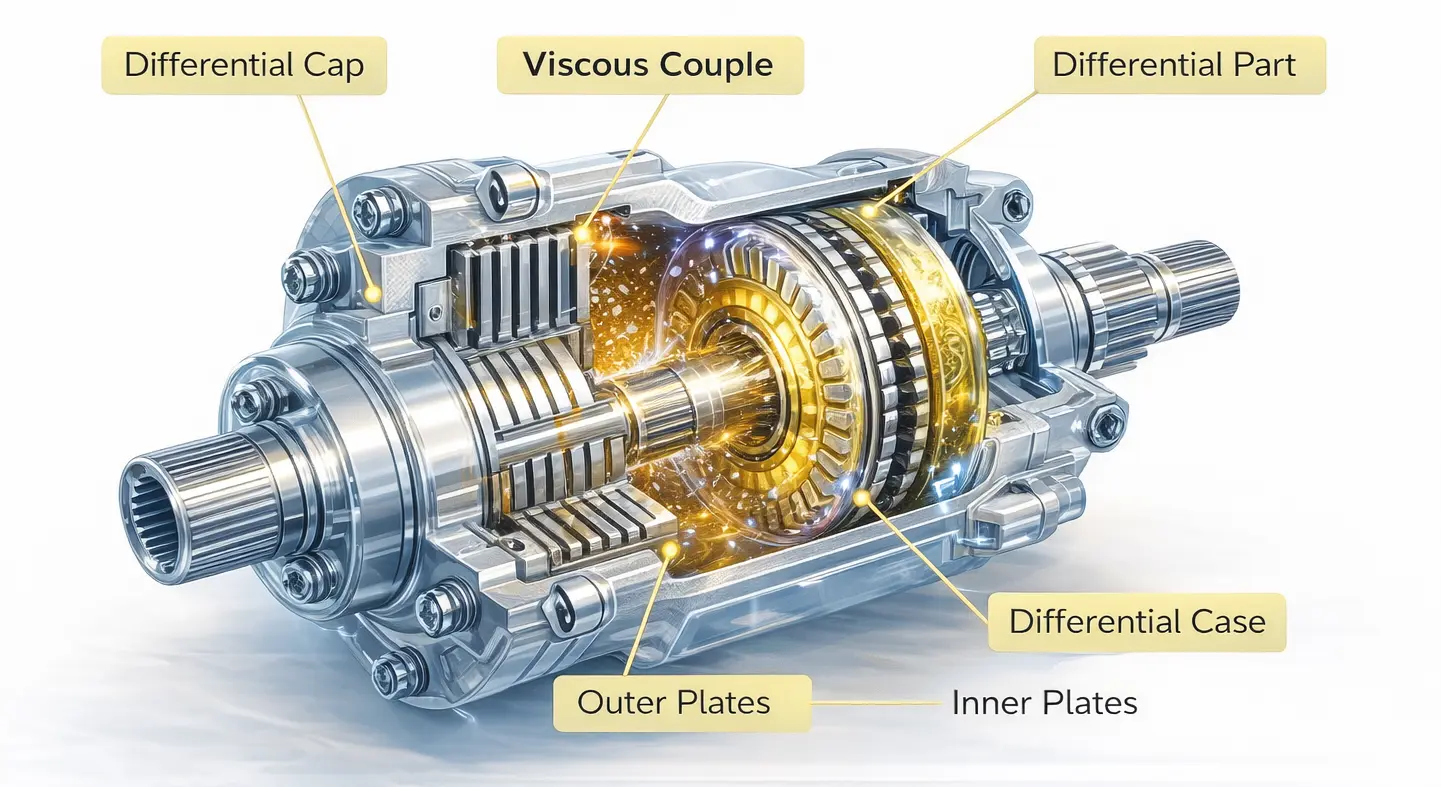
When wheel speeds differ between the axles, the fluid thickens, locking the discs and transferring torque where it’s needed. Once traction is balanced again, the fluid thins out, allowing the discs to spin freely.
Earlier AWD systems, such as in the Land Rover Freelander and certain Subaru models with manual transmissions, used this method. Some even altered gear ratios slightly between the axles to ensure a small but constant torque transfer to the rear, improving traction consistency.
Torsen Differential
The Torsen (Torque Sensing) differential uses a mechanical, gear-driven design that automatically adjusts torque between axles based on available traction.
Under normal conditions, torque splits evenly, but when one wheel loses grip, the system increases the ratio to the axle with better traction.
Torsen’s response is immediate because it operates mechanically rather than through sensors or fluids. This type of differential is favored in vehicles like the Lexus GX, Audi Quattro, Nissan Frontier Pro-4X, and Toyota Sequoia - all known for their robust off-road performance.
Electromagnetic differential lock
An electromagnetic differential lock works similarly to the Haldex system but uses an electromagnet to engage clutches and transfer torque between axles.
When current is applied, a magnetic field triggers the locking mechanism, which tightly couples disc packs from the front and rear axles.
This setup delivers smooth, adjustable torque transfer, enabling precise traction control across varying driving conditions. You'll see it most often in cars where drivers need dependable grip in any weather, but still want that smooth ride on regular roads.
SH-AWD: Precision and performance
Honda’s SH-AWD (Super Handling All-Wheel Drive) moves the technology forward even more. Besides distributing torque between the front and rear axles, it also shifts power between the left and right rear wheels.
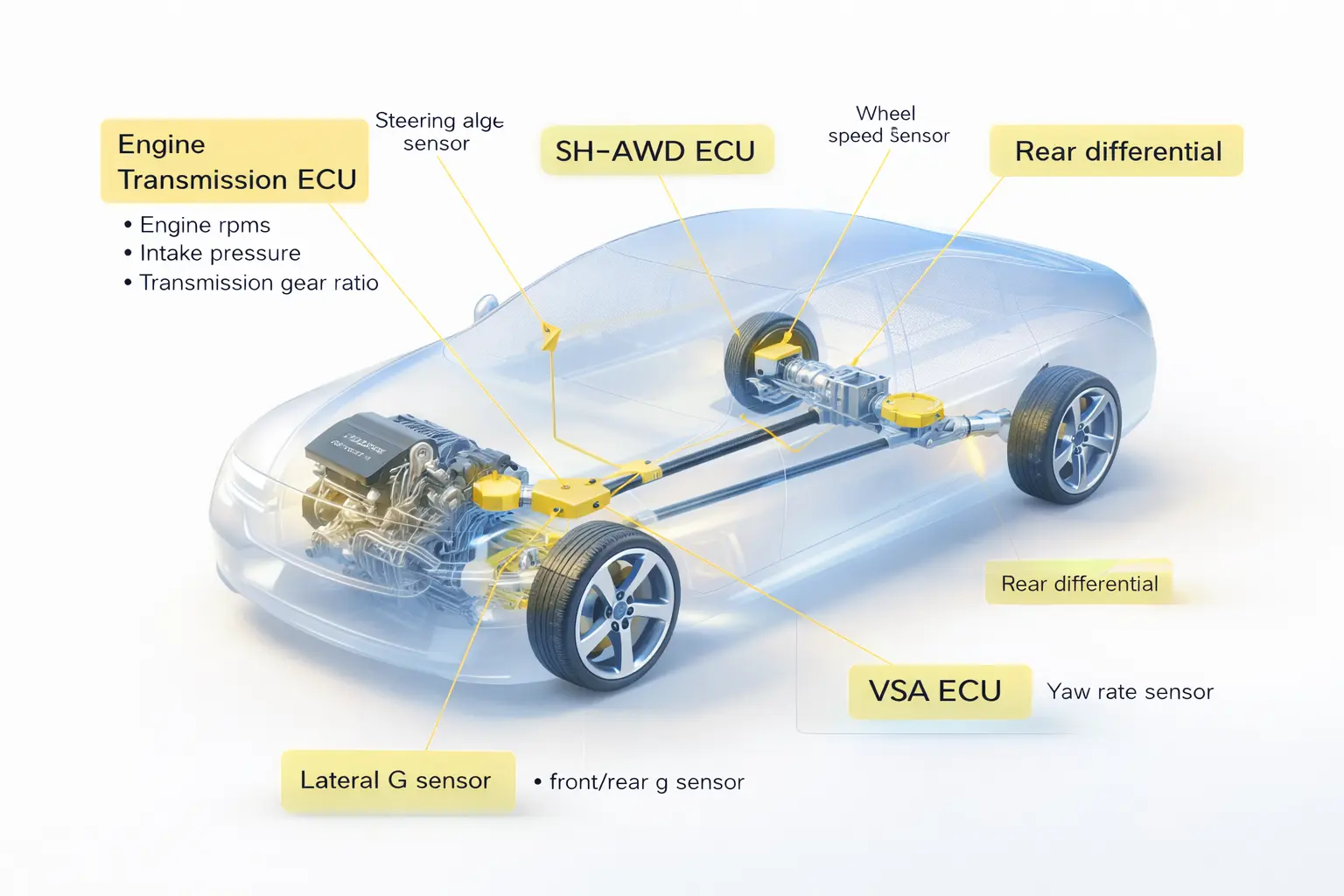
SH-AWD can deliver more torque to the outside wheel in a corner by using electromagnetic clutches and a specialized rear differential, improving agility and steering response. Honda and Acura were the first to roll this out, letting you carve corners more smoothly without giving up that planted feel or everyday comfort.
Real-world performance and limitations
These systems vary quite a bit in complexity and what they can handle, but how they actually perform depends on real driving conditions.
Lab specs like torque splits or lockup times look great on paper, but they don't capture everything. Take AWD: it'll only shove 100% of the power to the other axle if the main one is completely off the ground.
Some AWD cars give you a manual lock button to force a straight 50/50 power split when traction gets dicey. The Autoland specialists consider it a smart middle ground - it keeps AWD's everyday ease but borrows a bit of 4WD's grip for those rougher spots.
AWD vs. 4WD: Which should you choose?
In the end, it’s less about which system is better and more about what fits your habits - AWD suits drivers who value control and stability on slippery or dusty roads, while 4WD is built for those who venture off the beaten path.
Visit the Autoland dealership in Jacksonville for a test drive and get our professional advice on the best model for your needs.